UK Braces for Potential Fourth Heatwave Amid Drought Conditions
Record temperatures loom as parts of the UK face severe water shortages and wildfire threats.

Callum Smith
The UK is preparing for a potential fourth heatwave of the year next week, with forecasts indicating a return to very warm weather across several regions.
Heatwaves officially register when temperatures meet or exceed a defined threshold for three consecutive days. Currently, Yellow heat health alerts blanket parts of the UK until Sunday morning, encompassing the East Midlands, West Midlands, South East, South West, the east of England, and London.
Natural Resources Wales has formally declared drought status across several regions, including North Gwynedd, Ynys Mon, South Gwynedd, Dee (Wales), Clwyd, and Upper Severn. Many areas of North Wales have endured no significant rainfall since July 6, contributing to exceptionally arid conditions.
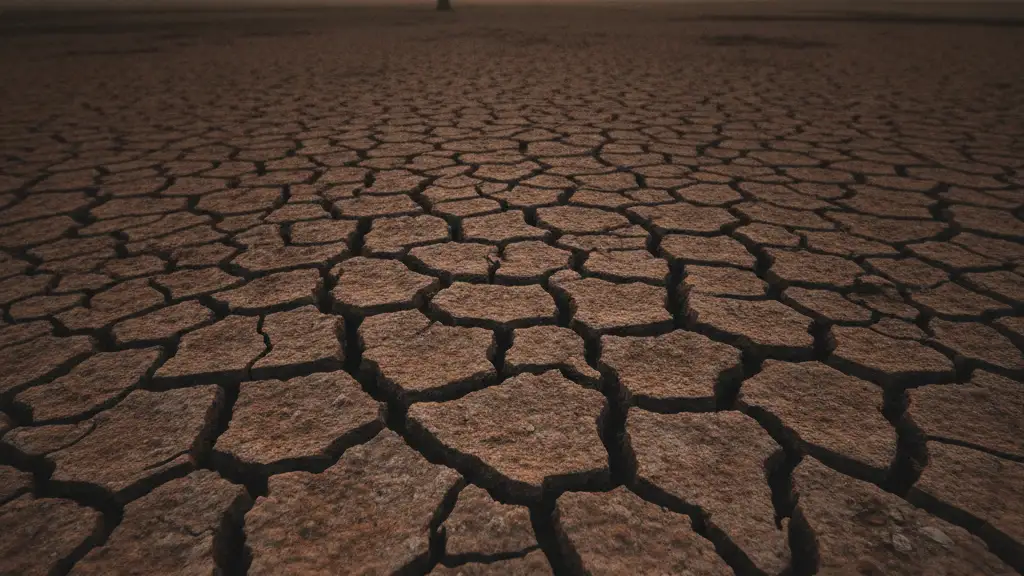
These parched conditions have desiccated riverbeds, triggered alarm among farmers, and dramatically elevated the risk of wildfires. Over 20 million Britons now face hosepipe bans, a stark indicator of the pervasive water shortages.
Reservoir storage in England currently registers at 75%, a full seven percentage points below the long-term average. Temperatures are poised to surge above 30°C across parts of the country next week, with much of England and Wales likely returning to the mid to high-20s early in the week.
The Met Office indicates the potential for temperatures to reach 30C again in southern and eastern England by Tuesday. Conditions in the southeast could become very warm or locally hot, potentially triggering heatwave criteria for some locations.
This scenario could mark the fourth heatwave episode of the year for parts of the UK. High pressure is set to build close to the south of the UK next week, a meteorological pattern that could stall rain-bearing weather fronts.
GB News weather claims higher temperatures will concentrate on central and eastern England on Tuesday before migrating north and west. Eighteen English counties, including Derbyshire, Nottinghamshire, Lincolnshire, Leicestershire, and Kent, are identified as potentially reaching 39C or more next week.
WXCharts claims temperatures could shoot up to as high as 39C by the end of the month. Extremely warm evenings and nights are also expected, adding to the strain.
WXCharts further claims temperatures could reach up to 37C at midnight on July 31. One data set from the GEFS weather model even shows staggering highs of 45C on the cards in the south-east, specifically in and around London, on Thursday.
If 45C materializes, it would comfortably establish the hottest day ever recorded in the UK, a temperature previously considered unheard of. Records were already broken in June 2022 when 37.7C was recorded in Lingwood, Strumpshaw Hill.
The increased risk of wildfires has already manifested with devastating effect. A major incident was declared in Cairngorms National Park, Scotland, due to a wildfire raging since July 15, forcing evacuations.
Residents of Nethy Bridge, Scotland, are being evacuated as a precaution due to the wildfire's proximity. The Welsh government activated “crisis management arrangements” to tackle wildfires across Wales, responding to the escalating threat.
Globally, over 200,000 people have been forced to evacuate their homes due to wildfires in southwestern France and central Spain. This regional crisis continues to expand.
In stark contrast to the heat gripping England and Wales, Scotland and Northern Ireland will remain cooler. Temperatures there will generally hover in the high teens or low to mid-twenties.
Sixteen counties have recorded only 0.1mm of rain, illustrating the severe dry spell across the nation. This lack of precipitation exacerbates the heatwave's impact.