Wildfires Rage Across England and Wales Amid Prolonged Heatwave
Nineteen Blazes Active as UK Health Security Agency Issues Amber and Yellow Alerts Through Wednesday

Sarah Connor
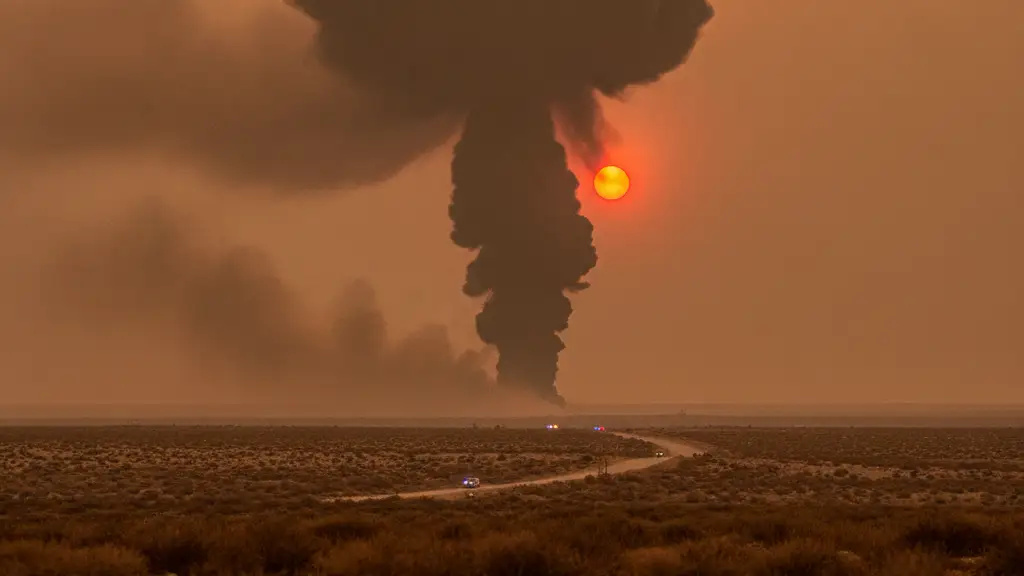
Wildfires are currently active in 19 locations across England and Wales, marking a severe environmental challenge during an extended period of extreme heat.
Temperatures reached at least 35C in May, June, and July of 2026, an unprecedented occurrence for the nation. This historic pattern of extreme heat strains resources across the country.
The UK Health Security Agency issued multiple amber and yellow heat health alerts, remaining in effect until Wednesday. Temperatures climb again this week, potentially reaching 33C in the south of England, exacerbating critical conditions.
Beyond the immediate crisis, the risk of wildfires increases, a direct consequence of sustained high temperatures and dry conditions. Sunshine and clear skies are forecast for many parts of England heading into next week.
High pressure will likely remain close to the UK between July 18 and 27. Temperatures are expected to remain above average during this period, extending the duration of the heatwave's effects.
A red alert for Greater Manchester and north west England was issued on two days this week, indicating extreme heat conditions. Night-time temperatures are expected to remain above 20C, creating 'tropical nights' across affected regions and offering little reprieve.
Tropical nights across affected regions and offering little reprieve.
Last month, June, registered as the second-warmest June on record for Wales, contributing to the broader pattern of elevated temperatures. The current hot spell will continue, with parts of England and Wales forecast to remain above 30C.
Tuesday brings more sunshine, with low cloud in the North East but clear skies everywhere else. Forecasters anticipate “dry, sunny and very warm” conditions from Wednesday to Friday for most regions, prolonging the environmental strain.
Meanwhile, on the ground, Paddle UK warned of dangerous conditions for water users due to coastal winds, adding another layer of risk during the heatwave. UV levels are expected to be high or very high across many parts of the UK throughout the week, posing additional public health challenges.
Public health officials also contend with the impact of high pollen counts, as hay fever affects more than ten million people in the UK. Pollen forecasts and alerts of varying severities exacerbate this condition for a significant portion of the population.
Forecasters anticipate a very slight decrease in temperatures this week, though many areas will continue to experience dry, fine, and very warm weather. Cooler conditions are expected to arrive on Saturday, offering a potential reprieve from the prolonged heat and its associated dangers.