UK Endures Prolonged Heatwave as Travel Surges and Drought Concerns Mount
Nation records 11 consecutive days above 30C, sparking travel chaos and deepening water scarcity fears across England.

Callum Smith
The United Kingdom has registered 11 consecutive days with temperatures exceeding 30C, marking an extended period of extreme heat as summer holidays commence.
The sustained heat arrives as most schools in England and Wales begin their summer holidays, prompting a significant surge in travel across the nation.
The RAC estimates 14.1 million motorists will embark on journeys for holidays or day trips between Friday and Sunday, placing immense pressure on road networks.
Saturday will experience the busiest road traffic, with 3.8 million planned journeys; Friday and Sunday each project 3.4 million trips.
An additional 6.8 million trips will spread across the three-day period, contributing to the busiest summer getaway on roads in four years.
Forecasters indicate the long, hot summer's grip will persist for at least seven to 10 more days, extending the period of elevated temperatures.
Beyond this, the system shifts, introducing a more northerly flow and cooler conditions; this change ends the unprecedented run of 30C days.
Beyond this, the system shifts, introducing a more northerly flow and cooler conditions; this change ends the unprecedented run of 30C days.
Temperatures will fall this weekend due to this northerly wind, but no significant rain appears on the horizon.
WXCharts reports cooler conditions approach, with temperatures dropping by as much as 15C within 48 hours.
The remainder of July appears destined to stay fairly scorching, though respite may arrive towards the end of the month.
By July 29, the majority of the UK looks set to experience temperatures below the average for that time of year, signaling a notable change.
The Met Office states weather extremes are becoming the norm for the UK, noting 2026 as the first year on record to reach 35C in May, June, and July.
This historical context shows a clear pattern of escalating heat events, moving beyond isolated occurrences to a more frequent reality.
On Wednesday, the thermometer hit 30.5C in Hurn, Dorset, a specific example of the widespread high temperatures.
Temperatures in Scotland and Northern Ireland will hover around 23C; these regions will experience slightly milder conditions compared to the south.
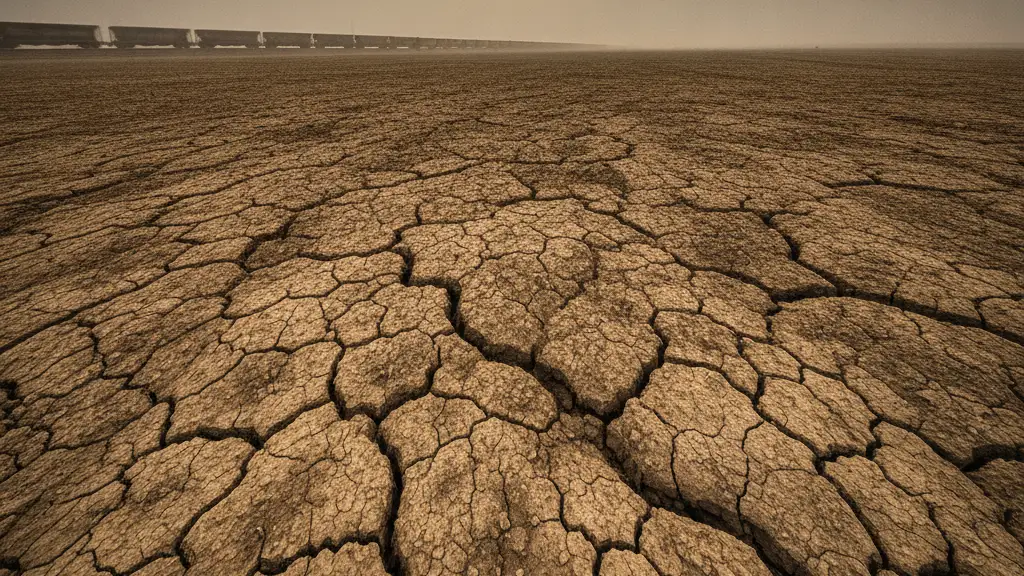
Parts of south-east England have experienced close to 30 days without rain, and no significant rain appears on the horizon, exacerbating drought concerns.
Hosepipe bans affect more than eight million households in England, reflecting severe drought conditions and the urgent need for water conservation.
Fire services in England recorded at least 19 wildfires during previous heatwaves, showing the direct and dangerous consequences of prolonged dry spells.
High pressure will remain in control for at least the next 10 days, bringing dry weather to most parts of the UK.
Monday and Tuesday will be especially dry, extending the period of minimal rainfall.
This forecast offers a glimmer of hope for some regions; however, it remains too soon to determine whether the heatwave conditions will extend beyond the next 10 days and towards the end of July.
The continuation of the current heatwave depends on whether temperatures exceed 28C in London or 25C for the rest of the country for three consecutive days; this threshold defines the ongoing crisis.
The Met Office identifies a possibility of 'a somewhat more changeable period, with the potential for showers or thunderstorms or even some longer spells of rain at times, these most likely to the north.'
The Met Office identifies a possibility of 'a somewhat more changeable period, with the potential for showers or thunderstorms or even some longer spells of rain at times, these most likely to the north.'