Military Mandates Annual Testosterone Testing for Service Members Over 30
New policy targets hormonal balance for operational readiness, sparking debate over medical necessity and long-term impact on military health protocols.
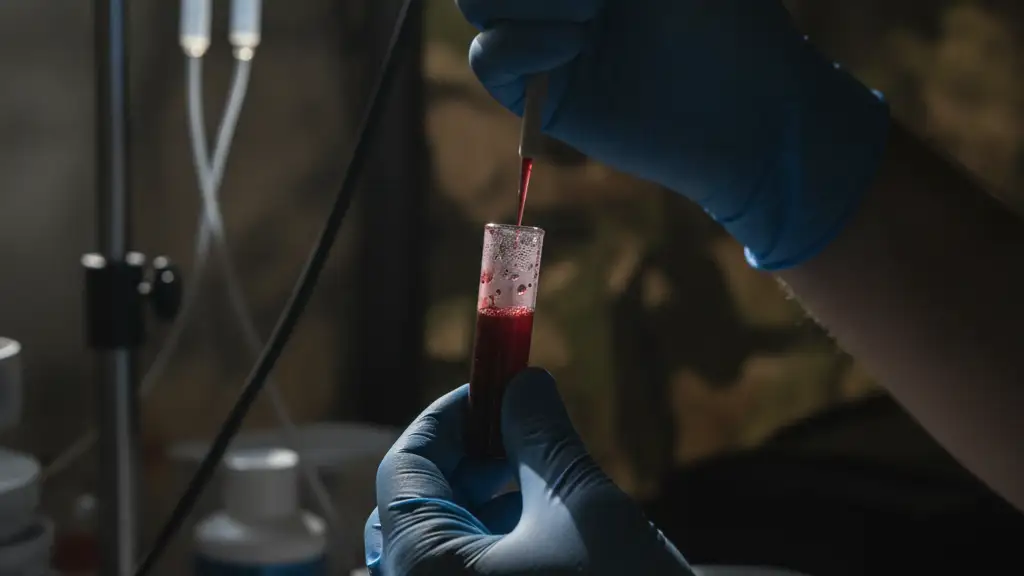
Image: Eddie Pollard / AI

Carla Rooney
The United States military will now require annual testosterone level testing for all service members over the age of 30, a significant shift in routine health screenings.
Defense Secretary Pete Hegseth announced the new testing requirement, stating it prioritizes the long-term health and resilience of troops.
He emphasized the testing ensures men possess 'the right testosterone levels to operate at your absolute best,' focusing on natural optimization over artificial enhancement.
The program is not about artificial enhancement, it’s about restoring and optimizing your natural capabilities.
The program, Hegseth added, 'is not about artificial enhancement, it’s about restoring and optimizing your natural capabilities,' protecting longevity and ensuring a biological foundation to sustain the fight.
This move aligns with other Trump administration officials advocating for easier access to testosterone replacement therapies.
Hegseth's actions return the military’s image to a male-dominated force, testing only men in uniform for hormone irregularities.
Historically, military health protocols evolved to address emerging health concerns and optimize troop readiness, adapting to modern warfare demands.
The current mandate introduces a specific hormonal marker into routine health screenings for older service members.
This policy introduces a standardized annual check for a demographic previously not subject to such regular hormonal scrutiny, impacting thousands.
Beyond the legal debate, recent studies indicate testosterone benefits certain conditions in older men, including improved erectile dysfunction and libido.
However, research published in the journal Social Science & Medicine claims screening for low testosterone is medically unwarranted in most people in this age group.
The economic implications for military healthcare budgets emerge as widespread testing and potential treatment protocols implement across the armed forces.
This policy reshapes the landscape of military wellness programs, placing new emphasis on hormonal balance as a component of operational fitness.
Meanwhile, proponents of Robert F. Kennedy Jr.'s 'Make America Healthy Again' movement tout testosterone as a way to look younger, build muscle, and stay mentally sharp.
Today’s American teenagers possess only 50% of the testosterone levels found in a 65-year-old man.
Kennedy claims today’s American teenagers possess only 50% of the testosterone levels found in a 65-year-old man, a statement drawing considerable attention.
The mandate establishes a new baseline for health monitoring within the armed forces, impacting thousands of service members directly.
This initiative represents a direct intervention into the biological makeup of the fighting force, moving beyond traditional physical fitness assessments.
The long-term effects on recruitment, retention, and the overall health profile of the United States military unfold in the coming years.
The focus on hormonal optimization signals a new era in military health, prioritizing specific biological markers for sustained operational capability.