Amber Heat Health Alert Issued as Temperatures Soar to 30C
UK faces fourth heatwave this summer amid drought concerns and significant health risks.
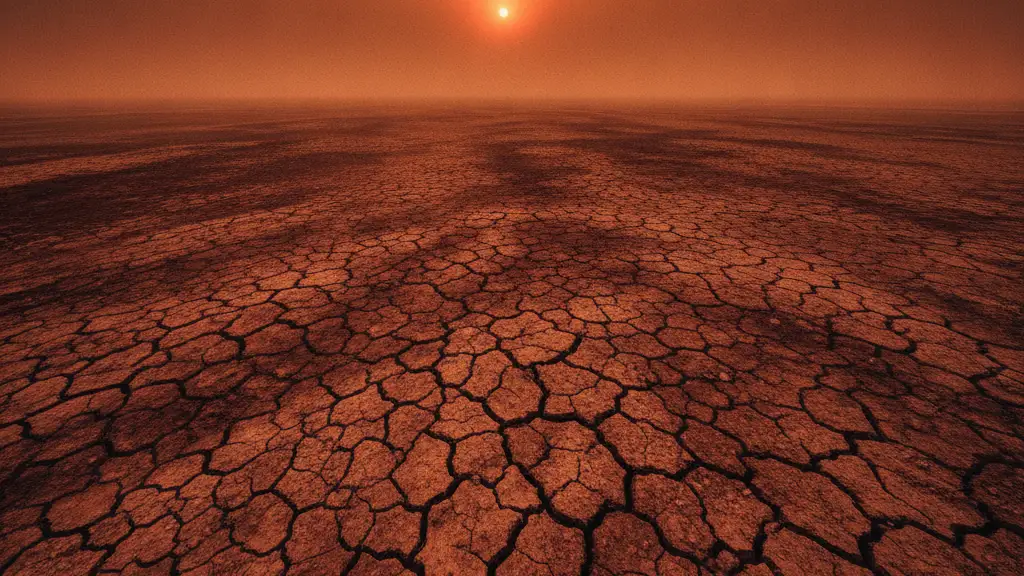
Image: Eddie Pollard / AI

Carla Rooney
Heat health alerts have been upgraded to amber for much of the country, signaling a severe risk to public health as temperatures are set to climb.
The Met Office forecasts settled weather, delivering abundant sunshine and localized intense heat by Wednesday, before a cooler, less settled pattern emerges from Thursday. This marks the fourth instance this summer where temperatures have surged to heatwave thresholds.
July has registered 3C above average across the UK, according to provisional Met Office data. Southern England has received a mere 1% of its average July rainfall.
England as a whole recorded 5% of its average rainfall, with the UK reaching 20%, according to the Met Office. This severe lack of precipitation has already prompted a drought declaration across a significant portion of Wales.
The third heatwave in mid-July forced firefighters to combat 19 significant blazes simultaneously across England and Wales. These conditions required extensive deployment of emergency resources.
Internationally, the impact of extreme heat has manifested with even greater severity. 220,000 people evacuated their homes in south-west France, while 116,000 fled widespread blazes in Spain.
The UK Health Security Agency (UKHSA) confirms rising temperatures will increase health risks, particularly for vulnerable groups. The agency also projects an increased utilization of healthcare services by vulnerable individuals.
UKHSA indicated that A greater risk to the lives of vulnerable people exists, and indoor environments face an increased potential for becoming excessively warm, the UKHSA states. The UKHSA further asserts that 'significant impacts are likely' across health and social care services due to the high temperatures.
A greater risk to the lives of vulnerable people exists, and indoor environments face an increased potential for becoming excessively warm, the UKHSA states. The UKHSA further asserts that 'significant impacts are likely' across health and social care services due to the high temperatures.
These impacts include a rise in deaths, particularly among those aged 65 and over or individuals with existing health conditions. Potential impacts also extend to younger age groups, requiring broader public health interventions.