Starmer Departs Downing Street Amid Cabinet Reshuffle
Labour leadership faces substantial reshaping following key ministerial exits and electoral pressures.
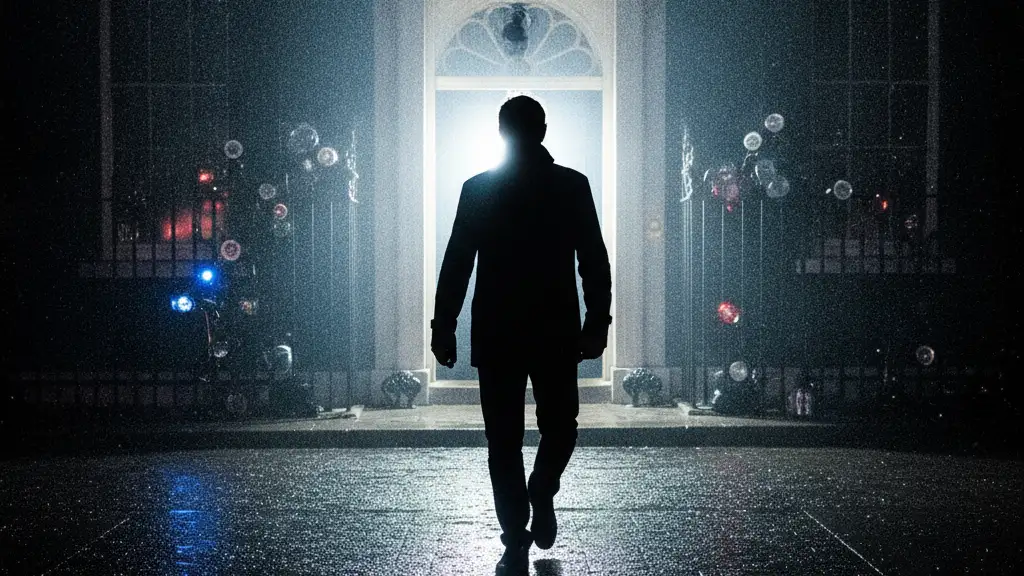
Image: Eddie Pollard / AI

Callum Smith
Sir Keir Starmer has departed Downing Street, triggering a significant reshuffle within the Labour government and marking a pivotal moment in the nation's political trajectory.
Rob Williams stated Starmer's resignation did not entirely stem from his own volition, indicating external pressures decisively shaped the decision.
Williams also asserted Starmer's premiership would be marked by the rapid squandering of his mandate, claiming Labour under-promised and still failed to deliver.
Starmer's departure signals a substantial reshaping of Labour's leadership, echoing historical moments of abrupt transitions within British politics.
Such shifts often follow periods of public dissatisfaction, reminiscent of the Conservative Party's internal struggles in the late 1990s after an extended period in power.
Beyond the legal debate, Rachel Reeves, who served as Chancellor, also left the government, a move demonstrating the breadth of the current shake-up.
The economy today stands stronger, fairer, and more resilient due to choices made by the Labour Government over the past two years.
Reeves stated the economy today stands stronger, fairer, and more resilient due to choices made by the Labour Government over the past two years.
She also claimed stability has been restored, investment delivered, and economic reform is actively underway.
Meanwhile, David Lammy and Steve Reed are among other high-profile Cabinet ministers departing their roles, indicating widespread change across key government departments.
Steve Reed, who served as Environment Secretary and Housing Secretary since Labour's 2024 general election victory, conveyed his regret at leaving the government in a letter to Andy Burnham.
The exits of these senior figures impact public perception and the stability of the Labour Party moving forward, creating a vacuum new leadership must fill.
Paul McNamara claimed Rachel Reeves heavily influenced the downfall of Starmer's premiership, stating she could not clear her diary to support him when he announced his intention to resign.
McNamara further claimed Reeves's political maneuvering, as her former boss resigned, was a notable display.
McNamara also alleged Reeves lied about raising taxes, stifled farmers, pubs, and small businesses, and failed to initiate economic growth.
Reeves chose to play political games and prioritize herself instead of demonstrating loyalty and contrition.
McNamara claimed Reeves chose to play political games and prioritize herself instead of demonstrating loyalty and contrition.
Starmer himself claimed the country was 'stronger and fairer' than when Labour took office, offering a final assessment of his tenure.
The immediate future for Labour involves navigating this significant leadership void while maintaining public confidence and preparing for upcoming political challenges.
Sarah Jenkins claimed Labour MPs backed a horse in 2019 after the disaster of Jeremy Corbyn and faltered when difficulties arose, detailing the party's recent history.
This strategic shift follows Andy Burnham being sworn in as the MP for Makerfield, marking his continued presence in Parliament amidst the unfolding changes.