Ryanair Flight FR8030 Diverted to Birmingham After Emergency Alert
Aircraft issues force unscheduled landing, raising questions about regional airport capabilities.
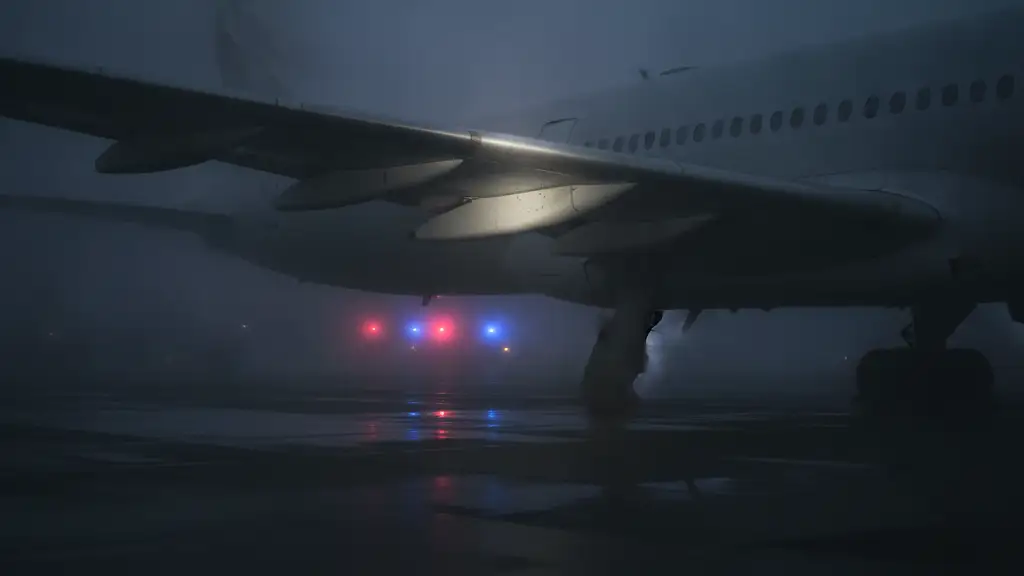
Image: Eddie Pollard / AI

Carla Rooney
Ryanair flight FR8030, bound for Exeter, was diverted to Birmingham following an emergency alert, prompting immediate inspection of the aircraft's wing.
The Boeing 737-800 executed an unscheduled landing in Birmingham, where ground crews swiftly inspected the plane's wing. The specific nature of the mechanical failure remained undisclosed in the immediate aftermath.
Ryanair later confirmed a right-hand engine failure and damage to a passenger window necessitated a longer runway for landing. Exeter Airport, with its shorter facilities, could not accommodate the compromised aircraft.
When technical issues prevent accommodation at the scheduled destination, Ryanair protocols mandate rerouting the aircraft to a nearby airport with a suitable runway. This procedure ensures paramount safety for passengers and crew while allowing for necessary inspections and repairs.
He declared it unsafe to land at Exeter due to a critical issue with the plane.
Davina, a passenger on board, recounted the pilot's initial announcement of a five-minute landing, followed by a stark admission. He declared it unsafe to land at Exeter due to a critical issue with the plane.
The precise cause of the aircraft's malfunction remains undetermined, leaving passengers and aviation authorities awaiting further details. The National Transportation Safety Board (NTSB) has initiated an investigation into the incident, which occurred in Greek airspace.
The NTSB noted the engine had undergone full servicing within the previous two years, a critical detail in the ongoing inquiry. This incident echoes a 2018 event where a British Airways flight from Heathrow to Florence diverted to Bologna due to adverse weather.
Such diversions highlight the critical role of alternative airports in emergency protocols, underscoring the robust safety mechanisms embedded within modern aviation. These measures prioritize passenger welfare above strict schedule adherence, despite the disruptions they cause.
The 189 passengers on board faced unexpected delays and profound uncertainty, and Ryanair now faces intense scrutiny regarding the aircraft's maintenance and operational readiness. Ryanair Group chief Michael O’Leary received a caution from US investigators for making premature remarks about the event, with the airline now prohibited from commenting on the potential cause.
Economically, diversions like FR8030 incur significant costs for airlines, encompassing fuel, ground handling at the alternate airport, and potential compensation for delayed passengers under EU Regulation 261/2004. These costs escalate quickly, impacting quarterly financial reports and potentially influencing future operational decisions regarding fleet deployment and route planning.
Exeter Airport faces indirect pressure, as the incident brings its runway length limitations into sharp focus, a factor that directly influenced the diversion. Discussions regarding the adequacy of runway lengths for accommodating emergency diversions of larger aircraft have occurred previously, particularly concerning St Helena airport, suggesting a broader industry concern.
Economically, diversions like FR8030 incur significant costs for airlines, encompassing fuel, ground handling at the alternate airport, and potential compensation for delayed passengers under EU Regulation 261/2004. These costs escalate quickly, impacting quarterly financial reports and potentially influencing future operational decisions regarding fleet deployment and route planning.
Looking ahead, this incident could prompt a re-evaluation of regional airport infrastructure, specifically concerning runway specifications and emergency response capabilities. The aviation industry continually adapts to such events, often leading to updated safety protocols and enhanced pilot training for emergency procedures.
The increasing volume of air traffic across Europe, exceeding 10 million flights annually, places immense pressure on air traffic control and airport facilities. They must manage unforeseen circumstances with absolute efficiency.
The investigation into the exact nature and cause of the aircraft's problem will prove crucial in preventing future occurrences and reinforcing public confidence in air travel. Until the NTSB's findings are released, the aviation community will closely monitor developments, seeking clarity on the operational fault that led to the emergency diversion of Ryanair flight FR8030.