Gatwick Runway Blocked, Nine Flights Declare Emergencies
British Airways technical fault grounds aircraft, diverting international arrivals and prompting fuel alerts.
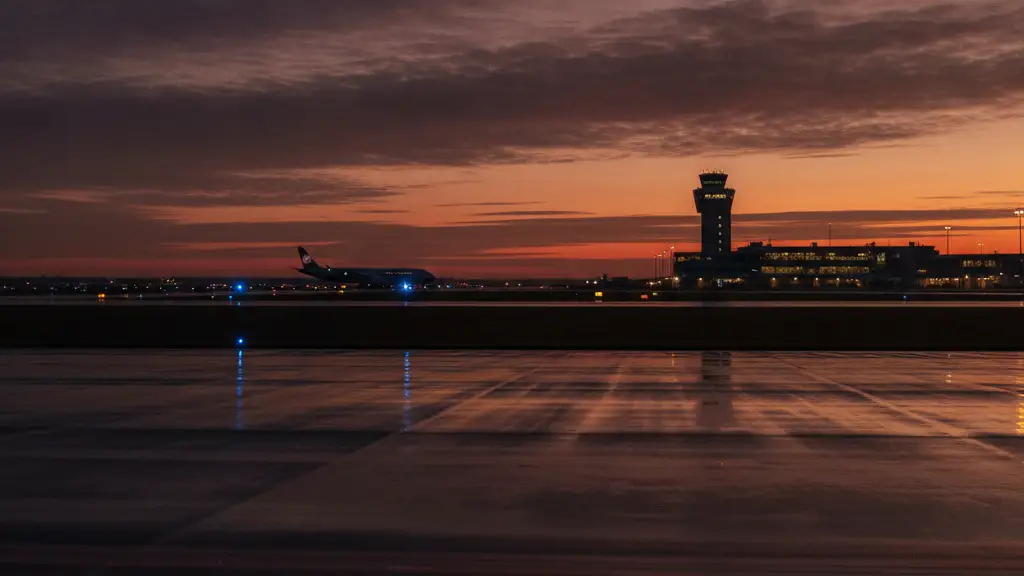
Image: Matt Weston / AI

Carla Rooney
Nine flights bound for Gatwick Airport declared an emergency before landing, as a British Airways aircraft blocked the runway for hours.
Airport rescue and fire fighting services immediately attended the aircraft after its landing, responding to the reported issue.
The British Airways plane encountered a landing gear problem with its nose wheel, preventing it from turning or taxiing to its designated gate.
This incident left the aircraft obstructing the runway, causing significant operational disruption during the airport's busiest hours.
An EasyJet flight traveling from Rome to Gatwick diverted to Stansted Airport, a direct result of the blockage.
Passengers on the diverted EasyJet flight arranged their own onward travel from Stansted.
Beyond the immediate diversions, nine aircraft signaled the Squawk 7700 alert, departing from various locations including Spain, Greece, Italy, and Morocco.
These emergency codes indicated critically low fuel levels as the planes conducted go-arounds, unable to land at their intended destination.
The incident disrupted hundreds of flights, impacting air travel across multiple European routes and creating a ripple effect through airline schedules.
The runway at Gatwick Airport reopened around 1:30 am, following hours of operational standstill that stranded thousands of travelers.
Historically, runway blockages at major hubs like Gatwick consistently lead to cascading delays, affecting thousands of passengers and airline schedules for days.
Historically, runway blockages at major hubs like Gatwick consistently lead to cascading delays, affecting thousands of passengers and airline schedules for days.
In 2018, a drone incident at Gatwick caused a 36-hour shutdown, impacting 140,000 passengers and 1,000 flights.
Meanwhile, stakeholders, including airlines and airport authorities, face significant economic pressure from such events, incurring costs from diversions, passenger compensation, and schedule recovery.
Airlines like British Airways and EasyJet absorb substantial financial penalties and operational strain when their aircraft are grounded or rerouted, directly impacting their bottom line.
The public experiences immediate inconvenience through missed connections and extended travel times, leading to increased scrutiny of airport infrastructure and emergency protocols.
The landscape of air travel continues to evolve with increasing passenger volumes, placing greater demands on airport capacity and resilience, especially at major international gateways.
Future strategies for air traffic management and emergency response at major airports will likely incorporate lessons from incidents like this, focusing on rapid recovery and minimizing passenger impact.
This focus aims to prevent the widespread disruption seen during this event and similar past occurrences, ensuring smoother operations for the millions who rely on air travel.