JCVI Recommends MenB Booster for Teenagers Amid Rising Cases
Advisory body urges routine secondary school jabs as immunity gaps emerge and outbreaks claim lives.

Callum Smith
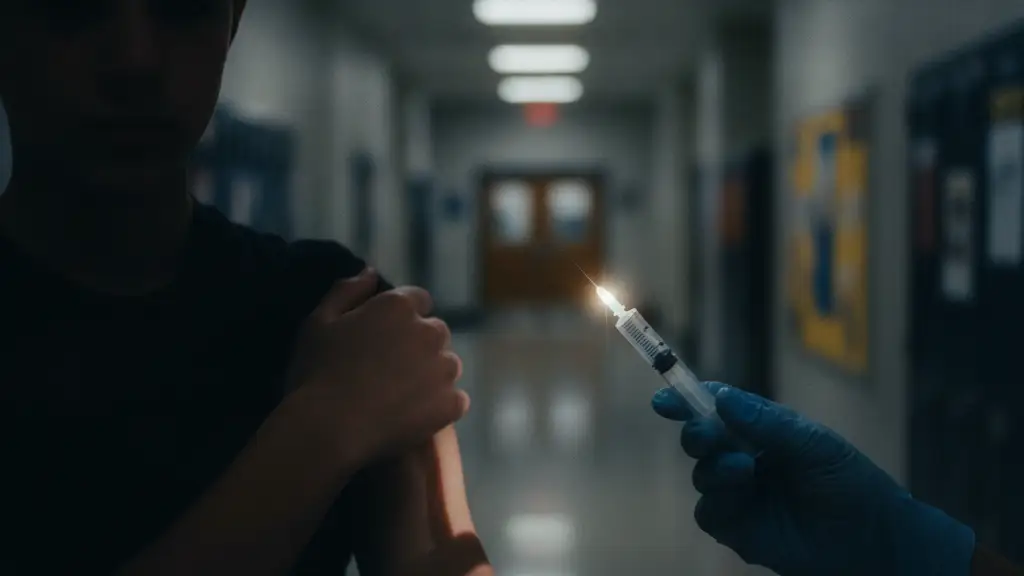
The Joint Committee on Vaccination and Immunisation (JCVI) has issued a critical recommendation for a MenB booster jab, targeting teenagers who received their initial vaccination as infants.
The Joint Committee on Vaccination and Immunisation (JCVI) recommends this booster for individuals around age 15 who received a MenB vaccine as infants, particularly those born on or after May 1, 2015.
Two doses of the MenB vaccine, administered at least 28 days apart, provide full protection against the disease.
Recent outbreaks, including two teenage deaths in Kent, confirm the disease's ongoing danger.
Beyond this immediate concern, the JCVI also proposes a comprehensive catch-up program, ensuring access for anyone who misses a vaccine; its implementation demands careful planning and time.
Meanwhile, a one-off vaccination campaign launches this summer, specifically targeting young people preparing for university, a demographic at heightened risk.
UK health experts called for all teenagers from age 15 to receive the free MenB vaccine during this campaign.
Low population immunity against MenB causes more meningitis clusters observed this year.
Historically, meningococcal disease cycles span 20 to 30 years, a pattern Shamez Ladhani, Consultant Epidemiologist at the UK Health Security Agency, identifies in current trends.
Ladhani states low population immunity against MenB causes more meningitis clusters observed this year.
The first cohort eligible for this booster will reach 15 years of age in 2030, marking a long-term strategic pivot in public health policy.
This proactive measure closes immunity gaps that naturally emerge as vaccine protection wanes over time, particularly in a susceptible age group.
Close and prolonged contact in shared living spaces and social events significantly elevates the risk of contracting MenB, a factor especially pertinent for adolescents in educational settings.
Cases of MenB typically peak annually between October and November, coinciding with the academic year.
The disease triggers severe, life-threatening complications, including inflammation of the brain lining and sepsis, which may lead to amputations, hearing loss, brain damage, or death.
This recommendation addresses adolescent vulnerability, moving beyond infant vaccination to confront the disease's epidemiology.
The economic implications of widespread MenB outbreaks, including healthcare costs and long-term care for survivors, drive the urgency of these new recommendations.
Public health officials expect a routine secondary school vaccination program to dramatically reduce the incidence of MenB among teenagers, preventing future tragedies.
This initiative represents a significant investment in the future health of young people, protecting them against a disease with potentially devastating consequences.