NHS Rolls Out Rapid One-Minute Cancer Immunotherapy Injection Across England
New Keytruda treatment drastically cuts hospital time for thousands of patients, aligning with national cancer strategy.
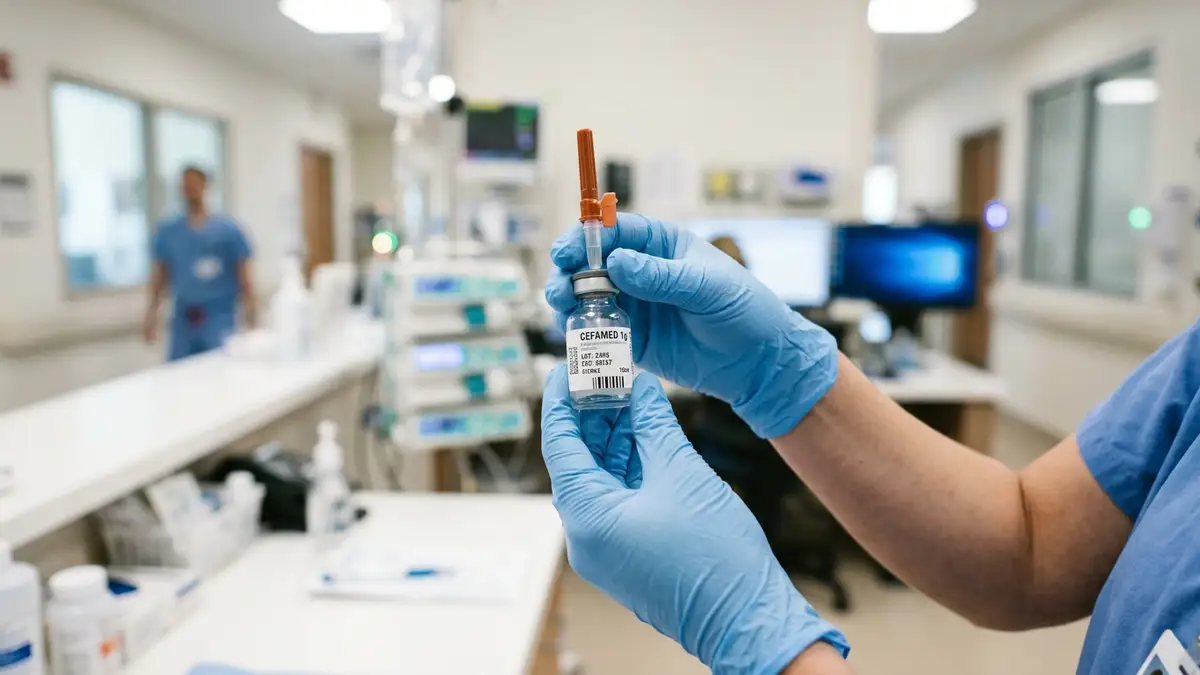
Image: Matt Weston / AI

Sarah Connor
The NHS has initiated the widespread rollout of a one-minute immunotherapy injection for cancer treatment across England, significantly reducing patient hospital time.
This groundbreaking method, an injectable form of Keytruda, streamlines the administration of pembrolizumab therapy, advancing cancer care across the nation.
Approximately 14,000 patients in England commence pembrolizumab therapy annually; this change impacts a substantial cohort.
The new procedure shortens treatment time to just a couple of minutes, a stark contrast to the previous intravenous method.
Patients now receive the treatment either every three weeks as a one-minute injection or every six weeks as a two-minute injection.
This shift reduces patient burden, Stephen Friend confirmed.
The injection offers meaningful advantages for hospitals by reducing drug administration time, freeing staff for other clinical tasks.
This efficiency gain eases pressure on already strained NHS resources.
Analysis from MSD indicates the injection reduces the time staff spend preparing treatment by 44%.
Historically, cancer treatments demanded lengthy hospital stays and complex administration protocols, straining both patients and healthcare systems.
The introduction of targeted therapies in the early 21st century marked a pivotal turning point, moving away from broad-spectrum chemotherapy.
This latest development represents another significant leap, focusing on efficiency and patient experience alongside established efficacy.
For stakeholders within the NHS, this rollout directly addresses critical operational challenges.
The reduction in administration time allows medical professionals to reallocate resources, improving wait times for other vital services.
The Department of Health and Social Care projects the NHS will meet all existing cancer targets by March 2028.
This aligns directly with the Government's National Cancer Plan, which commits to embracing a robotic revolution to boost survival rates.
The National Cancer Plan promised to do more and go faster for patients, and this change is already being delivered.
Meanwhile, the landscape of cancer treatment continues its rapid evolution, with a clear trajectory towards less invasive and more time-efficient interventions.
This move reflects a broader societal shift towards outpatient care and personalized medicine, minimizing disruption to patients' daily lives.
The future implications extend beyond immediate time savings, influencing drug development and delivery models across various chronic diseases.
This rapid injection sets a powerful precedent for how advanced therapies integrate into routine clinical practice with greater ease and accessibility.