Boat Explosion Rocks Miami, Injuring 11
Differing accounts emerge as investigators probe blast that sent three flying from vessel.
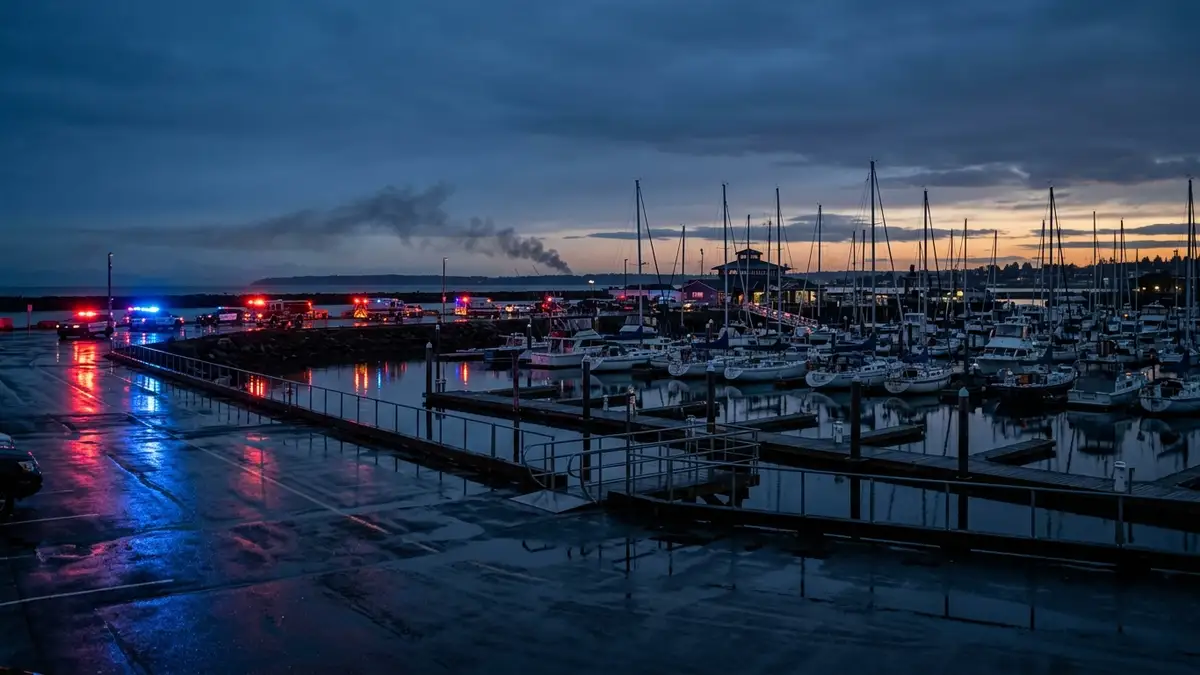
Image: Matt Weston / AI

Carla Rooney
An explosion on a boat in Miami injured 11 people, with eyewitnesses reporting individuals launched into the air from the force of the blast.
The vessel explosion sent three individuals flying from the boat, Patrick Lee, a local boat charter who witnessed the event, confirmed.
Emergency services managed the injured and secured the immediate area around the compromised vessel.
Passengers and crew offered conflicting accounts regarding the precise cause of the powerful blast.
Passenger Leo stated a gas leak caused the explosion, pointing to a common hazard in marine environments.
The blast resulted from exhaust fans that remained switched off.
The boat captain, however, presented a different explanation, claiming the blast resulted from exhaust fans that remained switched off.
This failure, the captain asserted, allowed gas fumes to become trapped dangerously on board the vessel.
Beyond these initial statements, dispatch audio logs from fire crews provided additional detail, indicating the explosion may have originated from the boat's fuel tank.
The boat captain's assertion that exhaust fans, left off, allowed fuel fumes to accumulate to a critical level supports this.
Historically, maritime incidents involving fuel or gas present significant challenges for first responders due to the volatile nature of the materials involved.
These types of explosions escalate quickly, demanding specialized equipment and protocols from emergency teams.
The immediate aftermath saw paramedics attend to the injured and fire crews assess the structural integrity of the boat.
Local authorities and maritime safety organizations will now scrutinize the event, analyzing details to inform future prevention.
Economic pressures frequently drive boat owners to defer essential maintenance, a factor often preceding such catastrophic incidents. Deferred maintenance creates latent hazards, turning routine voyages into potential disasters.
Meanwhile, economic pressures frequently drive boat owners to defer essential maintenance, a factor often preceding such catastrophic incidents.
Deferred maintenance creates latent hazards, turning routine voyages into potential disasters.
The landscape of maritime safety regulations continues its evolution, with increased scrutiny now placed on vessel maintenance and operational protocols.
Regulators push for stricter adherence to safety checks and proper ventilation procedures across all marine vessels.
Future investigations will pinpoint the exact mechanical failure or human error that led to the explosion.
Investigators will examine the vessel's maintenance records and interview all involved parties to construct a definitive timeline of events.