UK Government Prepares Households for Cyber Attacks, Emergencies
New guidance urges public to stockpile food and water as nation faces escalating 'hybrid' threats and critical supply chain vulnerabilities.
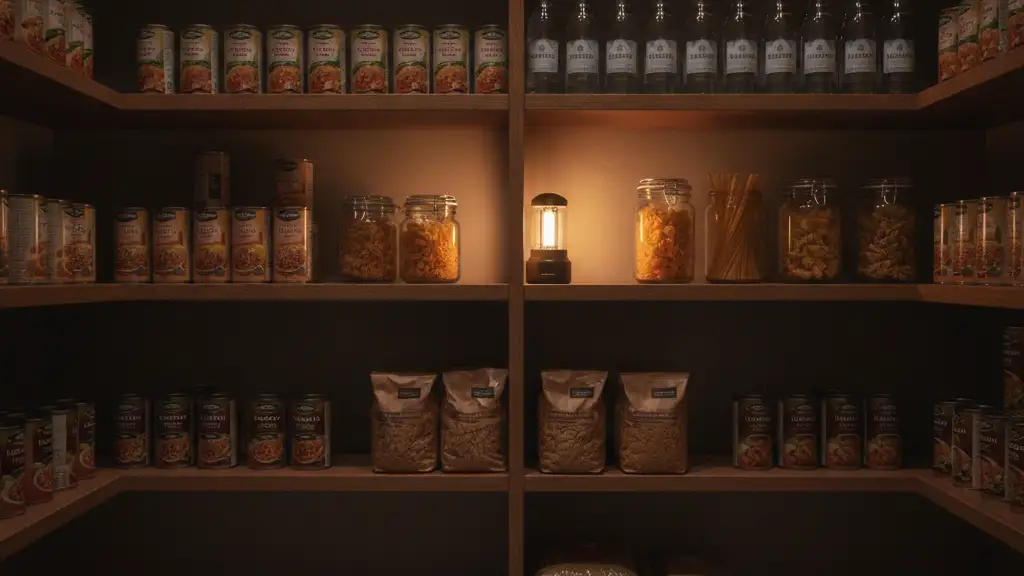
Image: Matt Weston / AI

Callum Smith
The UK government is developing comprehensive plans to advise households on preparing for a range of emergencies, including sophisticated cyber attacks and potential supply disruptions.
A Strategic Defence Review last year identified daily cyber attacks targeting the UK from hostile states. The review specifically named Russia and Iran as primary actors in these persistent digital incursions.
Beyond these daily threats, the UK and its allies previously accused Russia of an attempted hack in December. This incident targeted Poland's power grid, an attack that could have left 500,000 people without electricity.
Darren Jones stated the Government was warning of a 'hybrid' attack on the UK by a foreign state as early as next year. Jones also claimed artificial intelligence offers new avenues for criminals to execute sophisticated cyber-attacks against the nation.
Artificial intelligence offers new avenues for criminals to execute sophisticated cyber-attacks against the nation.
In response, the government plans to launch a national public awareness campaign. This initiative will urge the public to take 'small but important steps' to prepare for potential food or water shortages.
Ministers confirmed in May that Britain's vital supply chains remained unprepared for a major shock. Such a shock could include a large-scale conflict with Russia, exposing significant vulnerabilities.
Research from the National Preparedness Commission indicates Britain lags behind other European countries in stockpiling critical medicines. Lord Harris of Haringey, who chairs the commission, claimed Britain faces a risk of food and medicine shortages if conflict erupts.
Harris stated the UK should brace for supplies to be 'shut off' in the event of conflict. He noted that food, pharmaceuticals, and key industrial materials are imported and vulnerable to blockades.
He further claimed government departments, public bodies, local authorities, and large businesses must strengthen their preparedness. This comprehensive approach aims to bolster national resilience across all sectors.
Meanwhile, the UK experienced record-breaking temperatures in May and June, adding a climate dimension to ongoing emergency preparedness discussions. This development underscores the multifaceted nature of contemporary threats.
The government will conduct a large UK home defence exercise next year, named Albiston Shadow. This operation will rigorously test the country's response to hybrid attacks, simulating complex scenarios.
Classified crisis plans, known as 'war books', are undergoing their first update since 2004. This reflects a significant shift in strategic thinking, adapting to modern geopolitical realities.
The Defence Readiness Bill, recommended by the Strategic Defence Review over a year ago, was not included in the King's Speech in May. Lord Coaker, the Defence Minister, stated the bill would be brought forward in this Parliament and argued for it to be 'funded properly.'
Defence Secretary Dan Jarvis confirmed Britain meets the 1.5% target for national resilience. This contrasts with Nato member states, which have pledged to spend 5% of GDP on defence by 2035.
Baroness Neville-Jones claimed Britain could be 'cutting it close' with its national resilience. She stated that by 2030, Russia may decide to escalate its existing level of aggression in Europe.
The threat of disruption to Russian gas supplies has been removed from the National Risk Register. This indicates a re-evaluation of immediate threats, shifting focus to other critical vulnerabilities.
Andy Burnham articulated the broader challenge. He stated, 'We must go much further than ever in supporting British resilience as we confront an increasingly dangerous world with growing Russian aggression, conflict in the Middle East, climate and energy insecurity, and technology rapidly changing the nature of war abroad and our security at home.'