UK Braces for 36 Hours of Snow as Temperatures Plummet
Wintry blast set to bring prolonged snowfall and significant challenges across the nation.

Carla Rooney
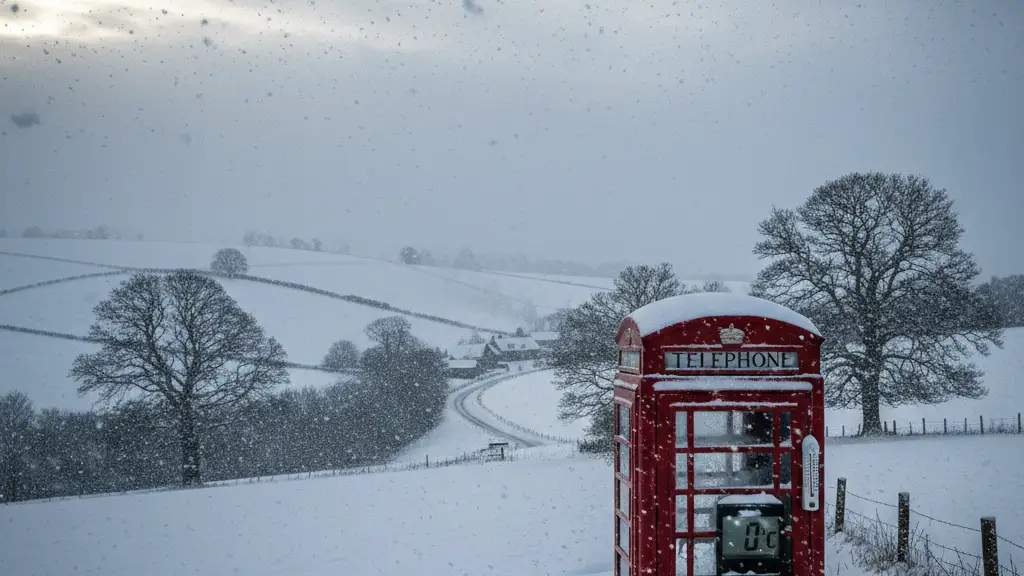
The United Kingdom prepares for an extended period of continuous snow this week, with temperatures projected to fall to 0C.
A weakening cold front sweeps across the UK on Tuesday, initiating wintry conditions.
Snowfall begins precisely at 12pm on Tuesday, May 12, persisting until 12am on Thursday, May 14.
This prolonged stretch of wintry weather marks a dramatic shift in atmospheric conditions, departing significantly from recent patterns.
Historically, late-season snow events have severely impacted agricultural cycles, particularly for early spring crops vulnerable to sudden freezes.
The last notable May snowfall occurred in 1979, disrupting transportation networks across northern England and Scotland for several days.
Beyond historical context, stakeholders across various sectors monitor the forecast, preparing for widespread disruptions.
Local councils activated emergency response protocols, allocating critical resources for road gritting and issuing public safety advisories.
Businesses reliant on outdoor operations, from construction firms to delivery services, face immediate operational challenges and the prospect of significant revenue losses.
The public prepares for colder conditions, adjusting travel plans and ensuring home heating systems function optimally ahead of the temperature drop.
Energy providers anticipate a surge in demand, actively managing grid stability to prevent outages during the expected cold snap.
This strategic shift follows a discernible trend: UK weather patterns show increasing variability, with extreme shifts becoming more frequent.
This event challenges long-term climate models and existing infrastructure planning.
Future urban planning initiatives must account for more frequent and intense short-duration weather events, adapting to a changing climate.
The economic impact of such weather anomalies extends beyond immediate costs, affecting supply chains and consumer behavior for weeks after the snow clears.
Snow remains a possibility for the Scottish mountains, indicating the reach of the cold front.
The UK's climate demands constant vigilance from both public services and private citizens.
This vigilance ensures readiness for a future where dramatic weather shifts become a common feature of the annual calendar.