Pilot Spells Out "I'm Bored" During Liverpool Test Flight
Aerial message above Merseyside sparks aviation discussion after Ravenair test flight.
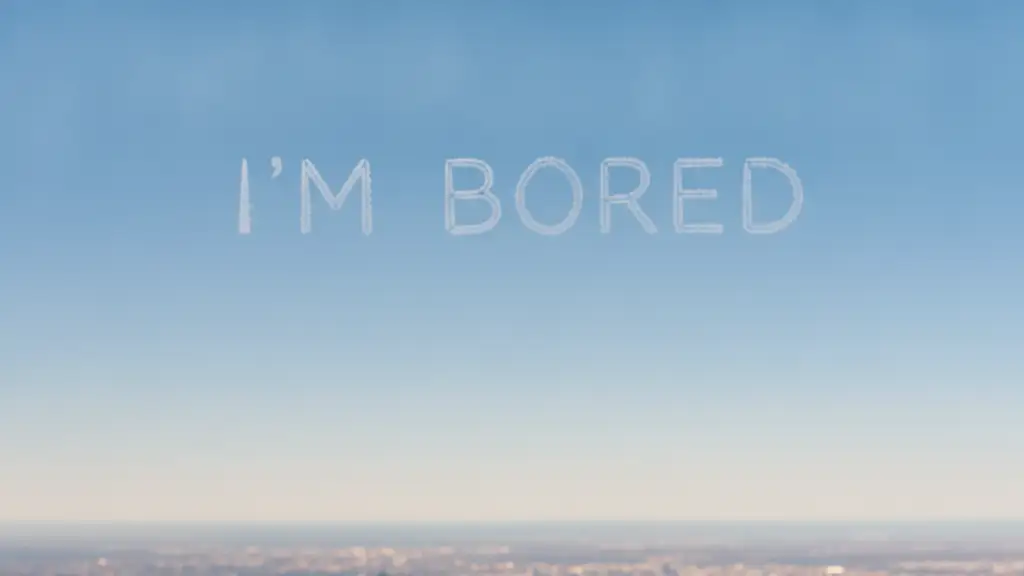
Image: Matt Weston / AI

Carla Rooney
A pilot etched the words "I'm bored" into the sky above Liverpool on Saturday, creating an aerial message visible on the flight tracking website Flightradar24.
The Ravenair aircraft, engaged in a test flight, departed from Liverpool at 11:30 am and returned to the airfield around 1:30 pm.
A flying instructor in his 20s piloted the aircraft, executing a routine post-maintenance verification procedure.
This test flight followed the replacement of an engine cylinder, a vital maintenance operation demanding rigorous checks.
The incident recalls a 1999 event when a British Airways pilot, during a holding pattern over Heathrow, drew a heart shape in the sky.
That gesture drew the attention of air traffic controllers and the public, establishing a historical precedent for such aerial artistry.
Such unscheduled aerial artistry, while rare, occurs at the intersection of strict aviation protocols and individual expression.
These displays often prompt conversations among aviation enthusiasts and the general public, bringing attention to operational nuances.
Beyond the legal debate, aviation industry stakeholders, including regulatory bodies like the Civil Aviation Authority, maintain stringent guidelines for flight operations.
These guidelines mandate safety and strict adherence to flight plans, forming the bedrock of air travel security.
Public reaction to such displays often ranges from amusement at the novelty to concern over potential deviations from standard operating procedures.
The economic landscape of regional aviation, particularly for flight schools and maintenance operations like Ravenair, depends on efficient and compliant flight schedules.
Any unscheduled maneuvers, even those as seemingly innocuous as skywriting, attract scrutiny regarding fuel consumption and operational costs.
Looking to the future, advancements in flight tracking technology, exemplified by platforms like Flightradar24, provide transparency into air traffic movements.
This increased visibility means even minor deviations from planned routes become immediately apparent to a global audience, increasing accountability.
The societal shift towards real-time data access shapes public perception and industry accountability in aviation, demanding constant vigilance.
This event adds another chapter to the history of pilots using their aircraft for more than just transport, occasionally transforming the sky into a canvas.
The instructor's action, while unconventional, did not reportedly disrupt other air traffic or pose immediate safety concerns.
The incident offers a unique data point for understanding pilot behavior during routine, yet sometimes monotonous, test flight operations.
Ravenair and relevant aviation authorities will likely consider the broader implications for pilot training and operational oversight.
The event demonstrates the constant balance between operational necessity and the human element within highly regulated environments, a dynamic tension always present in aviation.