Nobby Stiles' Death Fuels Dementia Debate in Football
Coroner's findings and family's claims intensify scrutiny on player welfare and historical negligence.
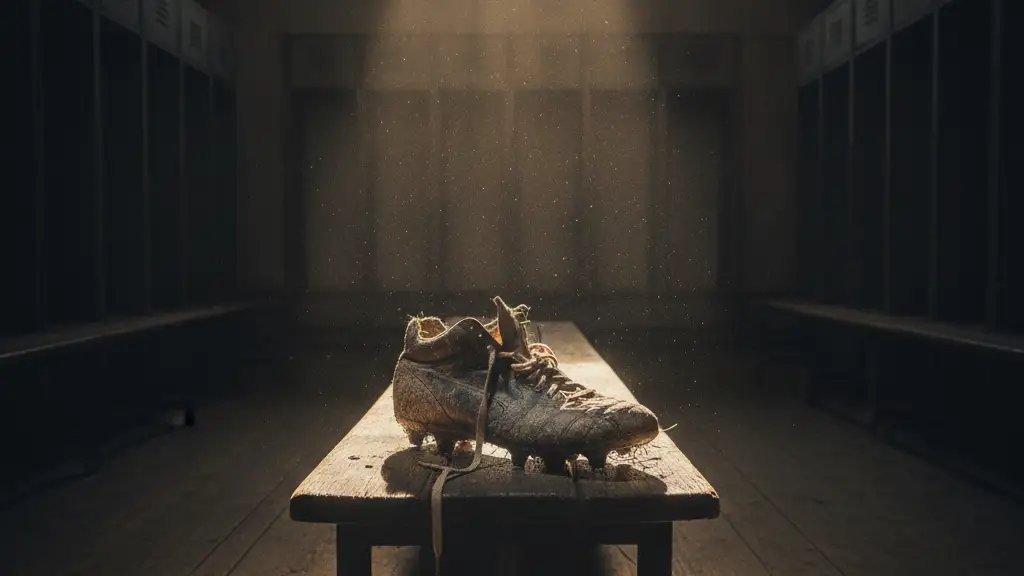
Image: Eddie Pollard / AI

Callum Smith
The death of Nobby Stiles, a 1966 England World Cup winner, from severe dementia has ignited a fierce debate over player welfare and accountability within professional football.
The coroner now plans to write directly to the Football Association (FA) and the Department of Education, detailing the dangers associated with heading the ball.
John Stiles, Nobby Stiles' son, stated football had “killed” his father, asserting the coroner’s findings came as “no surprise.”
He predicted this inquest would be among “the first few of thousands of such inquests of players who have incurred brain injuries.” This forecast signals a profound reckoning for the sport.
The first few of thousands of such inquests of players who have incurred brain injuries.
Beyond the legal debate, the Football Association has already begun phasing out heading in youth football for players up to under-11s. Full implementation of this policy is expected by 2026.
This strategic shift follows decades of escalating debate surrounding head trauma in contact sports, with new research consistently emerging.
Lawyers representing former players and their families contend that football bodies either knew or should have known for decades that repeatedly heading a ball carried a high likelihood of causing brain injuries.
These legal challenges allege negligence and a breach of duty of care against the Football Association, the Football Association of Wales, and the English Football League.
The Football Association maintains scientific evidence has not definitively established a link between heading a ball or “occasional” concussion and permanent brain damage.
This position stands in stark contrast to the increasing body of evidence directly associating CTE with the repetitive head traumas experienced from heading a football.
The diagnosis of CTE in former footballer Gordon McQueen, with heading the ball identified as a likely contributor, adds weight to the ongoing legal and medical discussions.
Meanwhile, on the ground, the Stiles family has actively campaigned for football authorities to provide increased support for ex-players grappling with injuries they attribute to their playing careers.
They revealed Nobby Stiles was forced to sell some of his cherished medals to cover the costs of his care, exposing the significant financial burden placed on affected players.
John Stiles claimed heading a modern football from a corner could deliver “80 percent of the power of a boxer’s punch,” illustrating the immense physical forces involved.
Massive ignorance about CTE persists within football, arguing both the industry and government have failed to support vulnerable individuals like his father.
He also stated “massive ignorance” about CTE persists within football, arguing both the industry and government have failed to support vulnerable individuals like his father.
In a move to address these concerns, the Professional Footballers Association (PFA) and the Premier League announced a £1 million fund in 2023.
This financial commitment aims to assist former players impacted by dementia, providing crucial support for athletes facing long-term health consequences.
The potential for thousands of similar inquests, as predicted by John Stiles, signals a profound shift in how football must confront its historical responsibilities.
He asserted the football industry “refuses to provide help” to ex-players coping with injuries sustained during their playing days, intensifying calls for systemic change.
Related Keywords
Football