Moygashel Bonfire Burns with Replica Mosque, Man Charged
Police operation to remove hate display thwarted by early ignition; historical site of controversy sees charges filed.
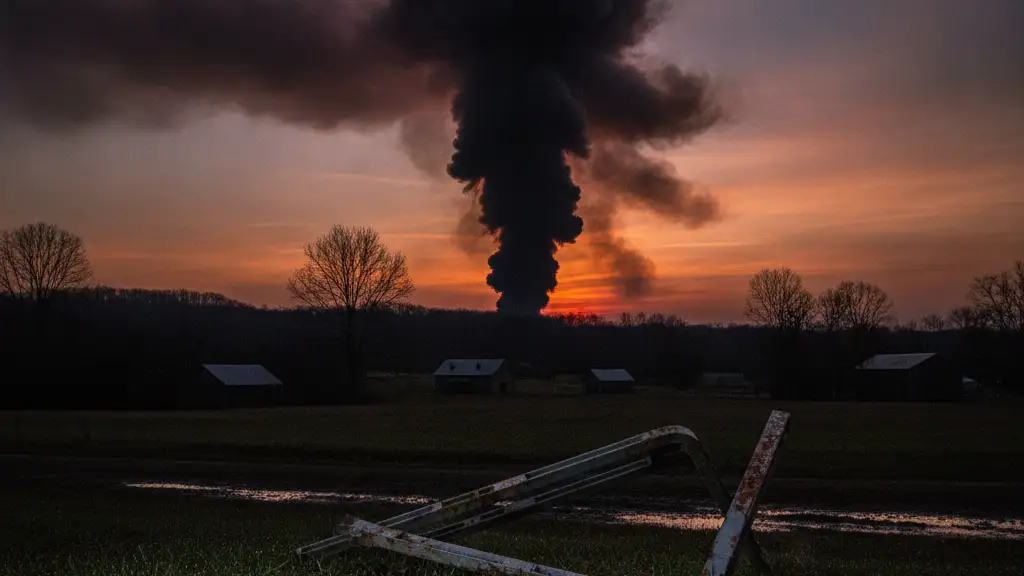
Image: Matt Weston / AI

Sarah Connor
Loyalists in Moygashel, Co Tyrone, ignited a bonfire featuring a replica mosque and inflammatory signage a day ahead of schedule, circumventing a police operation.
The bonfire, a traditional Eleventh Night fixture, ignited early, preventing police from removing the replica mosque and signs that read 'Secure our borders' and 'End the threat of radical Islam'. Authorities launched an operation specifically to address the hate display, but the early ignition rendered their efforts unsuccessful.
A man in his 50s now faces charges of incitement to hatred following the incident. He is scheduled to appear at Dungannon Magistrates’ Court on Friday, July 10.
The Moygashel Bonfire Association confirmed the early lighting, stating it occurred due to intelligence indicating contractors were moving in to dismantle the structure. The Police Service of Northern Ireland corroborated this, confirming the bonfire was deliberately ignited a day in advance to prevent the removal of what they termed 'criminal material'.
The display was an act of political protest against uncontrolled illegal mass immigration. While potentially shocking or offensive, it constituted an exercise of rights under Article 10 of the ECHR, which protects freedom of expression.
This event occurs amidst deeply entrenched traditions in Northern Ireland. Eleventh Night bonfires often precede Orange Order parades, marking a significant cultural and political moment.
The Moygashel Bonfire Association framed the display as an act of 'political protest' against 'uncontrolled illegal mass immigration'. They asserted their display, while potentially shocking or offensive, constituted an exercise of rights under Article 10 of the ECHR, which protects freedom of expression.
The association further clarified that their display did not target any individual. They stated their opposition focused on ideology and government policy.
I unequivocally condemn the signage and effigy on the Moygashel bonfire. It is a clear hate crime.
However, Colm Gildernew, a Sinn Féin MLA, unequivocally condemned the signage and effigy on the Moygashel bonfire. He categorised it as a clear hate crime.
The site itself carries a history of controversy, having been the location for previous contentious displays. In past years, effigies of migrants in a boat have burned there.
This pattern of provocative displays at Moygashel creates recurring tension. It pits traditional expressions against contemporary concerns over hate speech and community relations.
The burning of such symbols creates significant pressure on political stakeholders across the spectrum. Unionist leaders often face calls to condemn these acts, while nationalist representatives demand stronger enforcement.
Economically, such incidents can deter investment and tourism. This impacts the broader perception of Northern Ireland as a stable and inclusive society.
The ongoing legal proceedings against the charged individual will test the boundaries of free expression versus incitement to hatred within the Northern Irish legal framework. Two fire appliances were deployed to the scene as the bonfire burned, working to cool nearby buildings and prevent further damage.
The incident forces a critical examination of how authorities manage these large-scale traditional events. This is particularly true when they incorporate elements deemed offensive or illegal.
The future landscape of Eleventh Night bonfires will likely see increased scrutiny and potentially more proactive interventions from law enforcement. These actions will aim to prevent similar displays of hate.
This event highlights persistent challenges in balancing cultural traditions with the imperative to foster a respectful and inclusive society in Northern Ireland.