Menzies Withdraws from World Matchplay After Medical Emergency
Darts star's mid-match incident against Ross Smith halts Blackpool tournament, raising player welfare concerns.
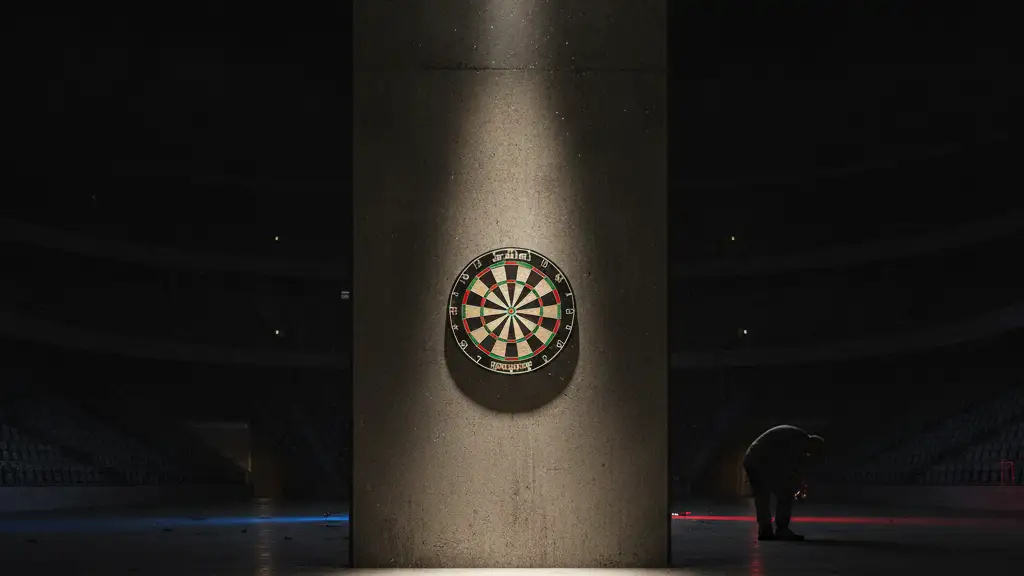
Image: Eddie Pollard / AI

Carla Rooney
Cameron Menzies, fresh from defeating world number two Luke Humphries, withdrew from the World Matchplay in Blackpool following a medical emergency during his match against Ross Smith.
Cameron Menzies spoke to a tournament official, then bent over, collapsing during his match against Ross Smith. This sudden medical emergency immediately triggered widespread concern and a decisive broadcast blackout.
Sky Sports severed its live feed, obscuring the exact nature of Menzies' medical crisis from millions of viewers. The incident forced an immediate, critical re-evaluation of the ongoing competition.
His progression underscores the tournament's operational resilience in the face of unforeseen events.
Ross Smith now advances directly to the Quarter-Finals of the prestigious World Matchplay. His progression underscores the tournament's operational resilience in the face of unforeseen events.
Menzies' withdrawal marks an abrupt end to his formidable run, following an earlier victory over Luke Humphries in the first round. Luke Humphries' next scheduled match shifted to a different time slot following Menzies' removal from the competition.
Historically, player health incidents, though rare, have consistently triggered immediate adjustments to tournament schedules and broadcasting protocols across various professional sports over the last two decades. No reported medical emergencies during major PDC darts tournaments have previously led to protocol changes, making this incident a critical precedent.
The Professional Darts Corporation (PDC) maintains a stringent focus on player welfare, implementing robust medical checks and on-site support. This includes immediate medical assistance, regular health check-ups, and comprehensive mental health resources for its athletes.
This policy gained significant reinforcement after a 2018 incident during a European Tour event where a player collapsed on stage. The PDC subsequently implemented mandatory medical checks, deployed a dedicated medical team at all major events, and enforced stricter protocols for player hydration and rest periods.
Stakeholders, including a vast fan base and crucial sponsors, now shift their focus to Menzies' recovery and the broader implications for the tournament's integrity. The World Matchplay stands as one of darts' four major events, amplifying the scrutiny surrounding this incident and demanding immediate answers.
Economic implications for broadcasters and event promoters remain minimal, as the established tournament structure allows for seamless progression despite such unforeseen circumstances. Public concern for player well-being frequently drives viewership spikes in these situations, demonstrating a societal shift in sports consumption towards greater empathy.
The immediate future of the World Matchplay proceeds with Ross Smith's advancement. Yet, the incident starkly underscores the intense physical demands placed on athletes in high-pressure competitive environments.
This event will undoubtedly reignite discussions within the darts community regarding player support systems and the transparency of medical protocols during live broadcasts. Such conversations gained considerable traction after the 2021 Players Championship Finals, where a notable on-stage collapse during a match led to increased scrutiny on player welfare and the urgent need for better medical support during tournaments.
This event will undoubtedly reignite discussions within the darts community regarding player support systems and the transparency of medical protocols during live broadcasts. Such conversations gained considerable traction after the 2021 Players Championship Finals, where a notable on-stage collapse during a match led to increased scrutiny on player welfare and the urgent need for better medical support during tournaments.
The landscape of professional darts continues its evolution, with increased scrutiny on athlete health and safety reflecting broader societal shifts towards greater transparency in sports governance. The PDC's forthcoming response to this specific incident will be closely observed, potentially setting a new benchmark for how future medical emergencies are managed in major competitions.
The PDC reviews and updates its comprehensive player welfare protocols with unwavering commitment. The rapid adjustment of the schedule, bringing forward the second match of the night, demonstrates the operational agility required to maintain the flow of a live sporting event.
Menzies' condition remains the immediate and paramount concern, overshadowing the competitive aspect for many observers. The tournament continues, but the memory of the medical emergency will undoubtedly linger for players and fans alike, shaping future perceptions of player welfare in professional darts.