Hantavirus Evacuees Released Without Mandatory Isolation
Legal framework prevents compulsory quarantine for Britons returning from cruise ship, sparking public safety concerns.
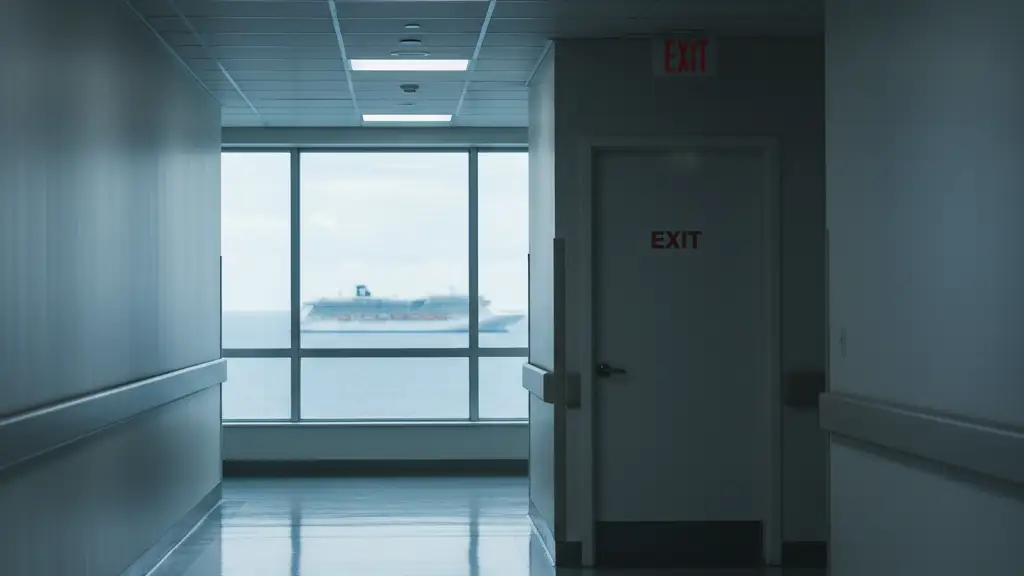
Image: Matt Weston / AI

Callum Smith
Britons evacuated from a hantavirus-stricken cruise ship cannot be legally compelled to self-isolate upon their release from a former Covid quarantine hospital.
Evacuees complete a mandatory 42-day isolation at Arrowe Park Hospital, a facility previously utilized for Covid-19 quarantines.
Upon their release, authorities confront a critical limitation: no legal mechanism exists to enforce continued self-isolation.
This inability to mandate isolation stems from a historical shift in UK infectious disease management, moving away from compulsory measures.
Following the 2009 H1N1 pandemic, which saw 250,000 confirmed cases, public health policy increasingly emphasized voluntary compliance over forced quarantine.
The framework now prioritizes informed consent and individual responsibility, a policy tested during the 2020-2022 Covid-19 pandemic when over 170,000 people quarantined at sites like Arrowe Park.
Individual liberties clash with collective public health imperatives, a debate shaping health legislation for decades.
The legal inability to enforce isolation creates a new challenge for future outbreaks, impacting how authorities manage public health risks without infringing on personal freedoms.
Public stakeholders voice significant concerns about community safety, particularly in Merseyside, where locals claim the lethal hantavirus could breach containment lines.
Local authorities managing logistical and public relations challenges face intense pressure from these community anxieties.
Economic pressures also bear down on policy, with the tourism sector, specifically cruise lines, facing scrutiny over health protocols and potential financial liabilities from outbreaks.
Kim Childs stated families staying in the accommodation block had been 'left in the lurch,' claiming they received no masks or personal protective equipment.
Families staying in the accommodation block had been left in the lurch.
Childs further asserted healthcare authorities failed to provide residents with necessary PPE or masks, raising questions about preparedness.
Jackie Edwards claimed officials downplay the danger the virus poses, eroding public trust in official communications.
Alexander Ward stated the virus is airborne and could kill him, adding a layer of complexity to containment efforts.
Ward added, 'If it is airborne, which it looks like it is, then it could kill me. It could kill a lot of patients if it leaks.'
If it is airborne, which it looks like it is, then it could kill me. It could kill a lot of patients if it leaks.
Paula Lally suggested Wirral's selection as a quarantine site came down to 'location, location, location,' pointing to strategic decisions behind the choice.
The landscape of global health security continues to evolve, with new viral threats emerging regularly, demanding adaptable and robust public health responses.
Future strategies will focus on rapid diagnostic capabilities and vaccine development, alongside enhanced international cooperation, as seen with the World Health Organization's 2023 pandemic preparedness initiatives.
Public trust in official communications remains a critical factor, especially when claims of downplaying danger, as made by Jackie Edwards, surface.