Four Equine Fatalities Mar Cheltenham Festival as Envoi Allen Collapses
Industry data reveals 0.22 percent fatal injury rate despite 79 deaths at the course since 2000
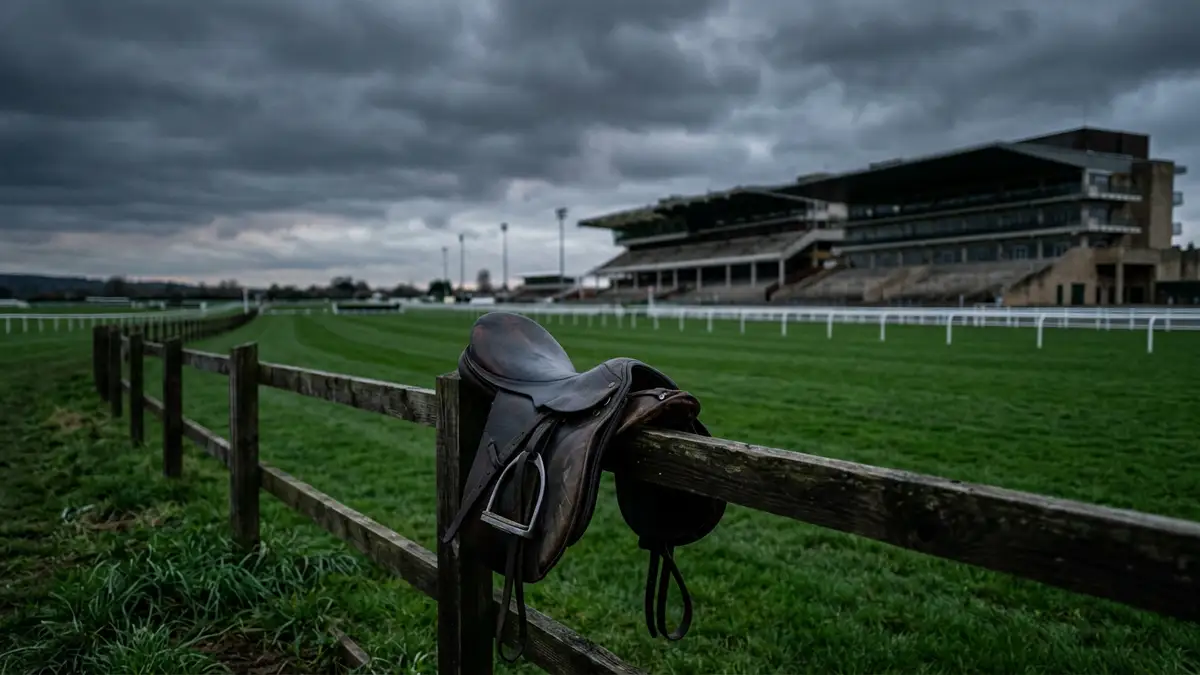
Image: Matt Weston / AI

Carla Rooney
The Cheltenham Festival concluded in tragedy as the death of Envoi Allen brought the week's equine fatality count to four.
Domesticated horses typically maintain a lifespan of 25 to 30 years. Envoi Allen died at the conclusion of a career meant to transition into a peaceful retirement this week.
This high-profile loss followed three other fatalities during the week-long event. Saint Le Fort died during the National Hunt Steeple Chase Challenge Cup after a fatal fall at the final obstacle.
Earlier in the festival, two other horses, Hansard and HMS Seahorse, also died. Both animals sustained terminal injuries during falls on the Cheltenham turf.
The Jockey Club confirms the racing industry has invested £63 million into equine welfare since 2000. This capital funds a network of safety protocols and on-site medical infrastructure designed to mitigate the inherent risks of the sport.
Risk cannot be entirely eliminated from high-speed jump racing.
Vets at the racecourse execute rigorous checks on every runner before they receive clearance to compete. These officials monitor the physical condition of every horse in the paddock and again at the start line.
British racing publishes comprehensive injury data on the HorsePWR website to maintain transparency. Current industry figures show the rate of fallers has declined for 21 consecutive years across the United Kingdom.
The rate of fallers in competitive racing currently stands at 1.98 percent of all runners. The Jockey Club states that risk cannot be entirely eliminated from high-speed jump racing.
Data for 2025 reveals a fatal injury rate of 0.22 percent across a total volume of 86,300 runners. The industry coordinates with World Horse Welfare, the RSPCA, and the Blue Cross to establish safety standards.
PETA Vice President of Programmes Elisa Allen states that approximately 3,000 horses have died in UK racing events over the last decade. This historical data includes 79 recorded deaths at Cheltenham over the past 25 years.
Approximately 3,000 horses have died in UK racing events over the last decade.
The Jockey Club maintains that the 0.22 percent fatality rate represents the current statistical reality of the sport. These figures are calculated based on the scale of 86,300 annual participants across all British fixtures.
The loss of four horses in a single week places renewed pressure on the industry's welfare credentials. Critics point to the 79 deaths at this specific course since the turn of the millennium as evidence of persistent danger.
The £63 million investment since 2000 has funded advanced veterinary technology and improved track surfaces. The physical mechanics of a fall at the final fence remain a primary cause of terminal injury.
The Cheltenham Festival remains the pinnacle of the National Hunt calendar, drawing thousands of spectators and millions in betting turnover. The death of Envoi Allen brings the human-animal bond in sport into sharp focus.
Industry leaders defend the sport by highlighting the 99.78 percent safety rate for runners. They argue that the concentrated nature of a four-day festival amplifies the perception of risk compared to year-round statistics.
The HorsePWR initiative aims to educate the public on the life of a racehorse beyond the track. This includes the stringent pre-race checks that every horse at Cheltenham must pass before the gates open.
The deaths of Hansard and HMS Seahorse earlier in the week set a somber tone for the meeting. The subsequent collapse of Envoi Allen after the Gold Cup served as a final, high-profile blow to the event's conclusion.
Future safety reviews will scrutinize the specific conditions of the falls that occurred this week. The Jockey Club and its partners in World Horse Welfare continue to evaluate if modifications to fences or race distances can lower the 0.22 percent fatality rate.