Formula 1 Cancels Bahrain and Saudi Arabian Grands Prix Amid Middle East Conflict
Safety concerns regarding the Iran war force a 22-race season as organizers face a £100 million revenue deficit.
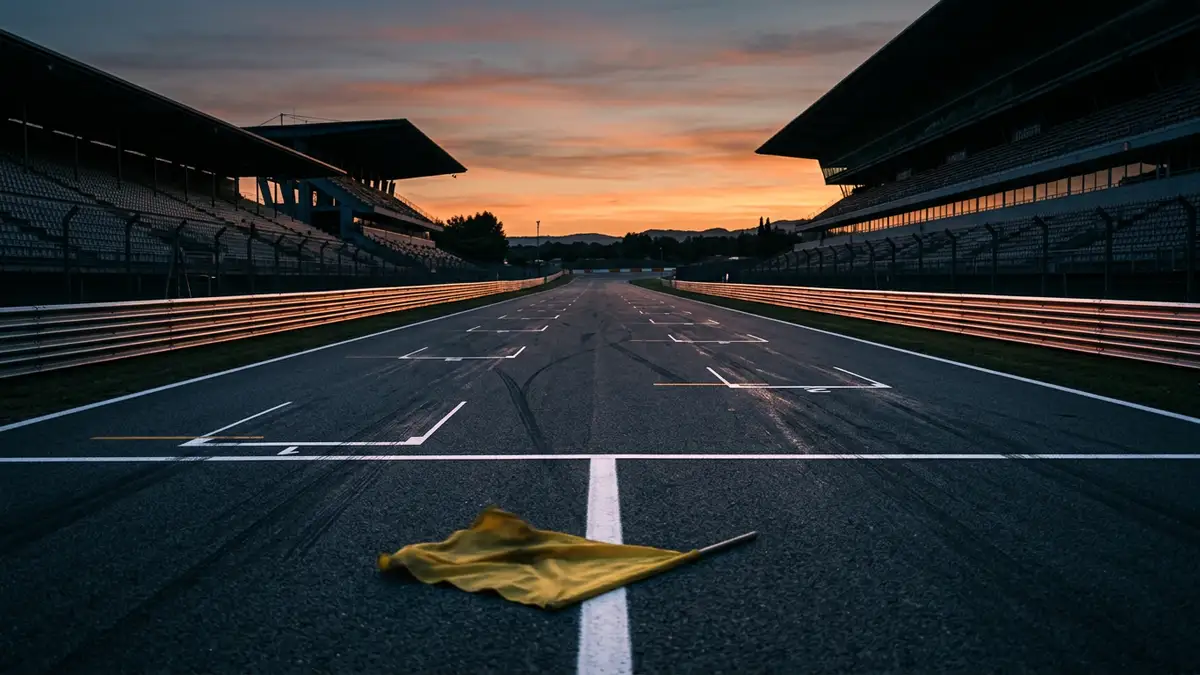
Image: Matt Weston / AI

Sarah Connor
Formula 1 officials have cancelled the Bahrain and Saudi Arabian Grands Prix scheduled for April, citing insurmountable safety risks posed by the ongoing Iran war.
The Bahrain International Circuit has anchored the sport’s presence in the Middle East since 2004. Its removal forces a total retreat from a venue that has served as the season’s primary hub for two decades.
Saudi Arabia’s Jeddah Corniche Circuit, a high-speed street track, only joined the rotation in 2021. The venue represents a multi-billion dollar pillar of the Kingdom’s Vision 2030 economic program.
Local promoters in Saudi Arabia fought to retain their April slot during emergency consultations. They lobbied to keep the gates open despite the escalating regional combat.
This withdrawal paralyzes the complex logistical flow of the early-season flyaway rounds. Teams are currently rerouting massive freight shipments and hundreds of personnel originally destined for the Sakhir and Jeddah paddocks.
Security assessments prioritized the physical safety of thousands of staff and spectators over commercial continuity. The proximity of active conflict zones forced the immediate extraction of all Formula 1 assets from the region.
Broadcasters and sponsors now scramble to overhaul global programming and activation schedules. The loss of two high-profile night races guts global viewership metrics and deletes prime-time advertising slots.
Formula 1 navigated massive calendar shocks during the 2020 pandemic through rapid rescheduling. The sport is not utilizing those alternative venue tactics for these specific war-related cancellations.
The FIA’s strict safety protocols mandate the immediate suspension of sanctioned world championships when participant safety is compromised. These protocols override all existing commercial contracts with host nations.
Economic pressure intensifies as the £100 million shortfall hits the year-end revenue distribution. This deficit directly slashes the prize money pool available to the ten competing teams, including Ferrari and Mercedes.
Local organisers in Bahrain and Saudi Arabia have not confirmed refund procedures for ticket holders. Thousands of international fans hold useless bookings for flights and accommodation in the region.
This marks the first time regional warfare has collapsed multiple Middle Eastern rounds simultaneously. Previous disruptions, such as the 2011 Bahrain cancellation, involved internal civil unrest rather than cross-border conflict.
The Jeddah circuit, the fastest street track in the world, will remain dormant and empty this spring. The race cancellation halts the momentum of the Kingdom's multi-billion dollar expansion into international sports hosting.
Formula 1 leadership determined the physical risks outweighed the commercial benefits of the Gulf swing. The sport now monitors the geopolitical landscape for the remainder of the 2024 season.
Logistical failures extend to Pirelli tyre shipments and fuel supplies already in transit to the Middle East. These resources must now be diverted to the next scheduled round on the international calendar.
Stakeholders across the paddock are bracing for a long-term contraction of the sport's expansion strategy in the East. The sudden schedule collapse forces a re-evaluation of the sport's reliance on high-risk geographic territories.