Former Stig Sues BBC Over Freddie Flintoff Crash, Alleges Safety Failures
Paul Rees seeks over £100,000 in damages, citing fractured back and PTSD from 2022 Top Gear incident.
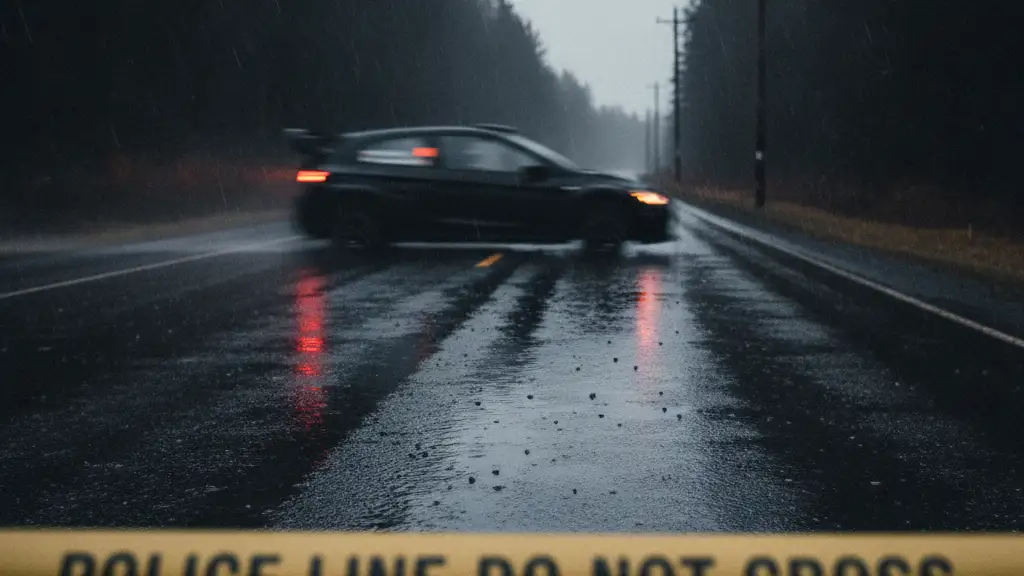
Image: Eddie Pollard / AI

Carla Rooney
Paul Rees, identified as the former Stig from Top Gear, is seeking over £100,000 in damages from the BBC following a severe car crash involving Freddie Flintoff at Surrey's Dunsfold Aerodrome in 2022.
Ben Collins, known as The Stig from 2019, suffered a fractured back and post-traumatic stress disorder (PTSD) in the incident involving a three-wheeler Morgan Super 3.
Prior to the 2019 crash, specific safety protocols governed Top Gear filming, including comprehensive risk assessments for all vehicles like the Morgan Super 3.
These protocols mandated rigorous pre-drive inspections, strict adherence to speed limits, and the mandatory use of safety gear on the Dunsfold Park Aerodrome track.
The BBC confirmed Top Gear's indefinite suspension, citing exceptional circumstances surrounding the crash.
The official accident investigation report into the 2019 Top Gear crash pinpointed Flintoff's loss of control while navigating a corner at high speed as the cause.
Flintoff, revealing his consciousness and vivid memory of the crash in 2025, suffered serious facial and rib injuries, necessitating reconstructive surgery.
He later received a £9 million settlement from BBC Studios.
Genuinely felt like we were going to potentially die, because we had no protection.
Collins claimed he "genuinely felt like we were going to potentially die, because we had no protection" and "still has no idea" how he survived.
He alleged producers asked him to join Flintoff in the vehicle, fearing the presenter lacked dynamism for a challenging corner, specifically the track's right-hand 'Chicago' corner.
Collins claimed he repeatedly raised safety concerns regarding the Morgan Super 3 and the Chicago corner before filming, citing issues with the car's handling and safety features.
He asserted the BBC ignored these warnings; internal BBC communications and documented responses regarding these specific concerns remain publicly unavailable.
He further alleged urging Flintoff to wear a crash helmet, but production staff ruled it out, with crew members reportedly telling Collins Flintoff did not need one.
The official accident investigation report into the 2019 Top Gear crash omitted Flintoff's claim that the car's front wheel lifting caused his loss of control, focusing instead on speed and control.
BBC Studios, however, disputes Collins's claims, alleging he wrongly reassured Flintoff the Morgan "would not roll" and gave unsafe instructions.
The BBC's defense filings stated Flintoff expressed concern about the car's front wheel lifting, but the investigation report countered this, focusing on speed and loss of control.
BBC defense filings allege that as Flintoff approached the corner, Collins instructed him to "now turn right... now full power, full power," causing the vehicle to overturn.
BBC Studios also states audio recordings from inside the car contradict parts of Collins's account, and the accident investigation report contradicts some of his claims.
Collins claimed a single medic on site admitted they were "not equipped" to deal with Flintoff's injuries, and he later learned an ambulance could take up to two hours to arrive.
He also alleged the BBC scrapped having an ambulance on site for filming and a BBC executive later asked him to "dull down" his account of the accident.
Part of me wished I had been killed in the accident.
Flintoff himself stated part of him wished he had been killed in the accident, clarifying he did not want to commit suicide but found the alternative easier.
The passenger in the car, who later sued BBC Studios, reported no injuries immediately after the crash, aligning with the BBC's defense that no complaints of injury were made post-accident.
Collins, suing BBC Studios for damages, claimed he would have settled for a heartfelt apology instead of financial compensation.
The BBC actively defends the claim in court, disputing Collins's allegations.
This legal battle highlights significant industry shifts regarding safety protocols and accountability in high-risk television productions.
The incident intensified scrutiny on the BBC's internal safety procedures, particularly given the substantial settlement reportedly paid to Flintoff.
The outcome of Collins's lawsuit could establish new precedents for duty of care owed to crew members in the entertainment sector, impacting future productions globally.