Deadly Wildfire Sweeps Southern Spain, Claiming at Least 12 Lives
Blaze near Los Gallardos forces evacuations, injures eight, as officials investigate cause amid 40C heatwave.

Callum Smith
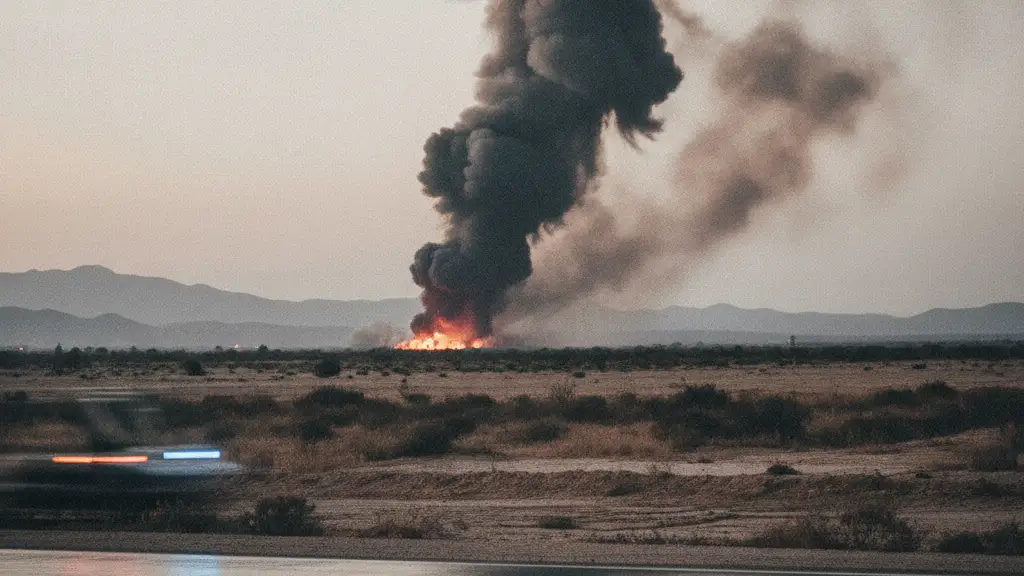
A devastating wildfire has claimed at least 12 lives and left 23 others missing in southern Spain, triggering a massive emergency response and widespread evacuations.
The regional government of Andalucía confirmed victims died attempting to escape the flames near the village of Bédar.
Antonio Sanz, Andalusia's acting Regional Minister for Health, the Presidency and Emergencies, stated the majority, or even all, of the victims may be foreign nationals.
Authorities discovered four victims trapped inside their car; Sanz confirmed these individuals were British.
The majority, or even all, of the victims may be foreign nationals.
He added that seven other people died after attempting to escape on foot, abandoning their vehicles and trying to flee along a route not part of the official evacuation plan.
These deceased are mostly or entirely foreigners, with one appearing to be Spanish and the seven others potentially foreigners, including Belgians and British nationals.
Meanwhile, the Military Emergency Unit (UME) of Spain deployed 220 soldiers and 70 vehicles to combat the blaze, joining hundreds of firefighters already on the ground.
The fire holds at Operational Situation 2, the highest level under Andalusia's wildfire plan, indicating its severe and uncontrolled nature.
A brutal 40C heatwave grips the region, with temperatures in the Sierra de Bédar area reaching nearly 42C.
This extreme heat exacerbates the fire's intensity and rapid spread, making containment efforts exceptionally challenging.
Officials believe a fallen power line may have caused the fire; witnesses also claim the blaze sparked from a downed power line.
However, Endesa claims the fallen power line was inactive and did not belong to their network, complicating the investigation into the fire's precise origin.
The fallen power line was inactive and did not belong to their network.
Historically, Spain grapples with severe wildfires, particularly during its arid summer months; Spain recorded its highest daily average temperature since 1950 in June.
The 2022 fire season saw over 300,000 hectares burned, marking it as the worst on record, and Europe is identified as the world's fastest-warming continent.
The current blaze near Los Gallardos echoes the devastating Sierra Bermeja fire of 2021, which claimed the life of a firefighter and scorched thousands of hectares.
Beyond the immediate tragedy, the economic impact on local tourism and agriculture, vital to Andalucía's economy, will be significant, with vast tracts of land now scorched.
Public pressure mounts on regional and national governments to enhance preventative measures and improve early warning systems for future fire seasons.
The long-term landscape implications include severe ecological damage, soil erosion, and potential desertification in areas already vulnerable to climate change.
Authorities evacuated 1,000 residents from the affected area, with over 140 people rehoused following these critical evacuations.
Road closures were in effect for residents, though the A-7 motorway and the N-340A have since reopened to traffic; the AL-6109 remains closed between kilometres 0 and 8.
This strategic shift follows the European Commission pre-positioning 777 firefighters from 14 European countries, as Portugal and France activated the EU Civil Protection Mechanism due to wildfires.