Clipper Endeavor Wreckage Found 74 Years After Tragic Crash
Discovery off Puerto Rico brings closure to 1952 aviation disaster, prompting reflection on safety advancements.
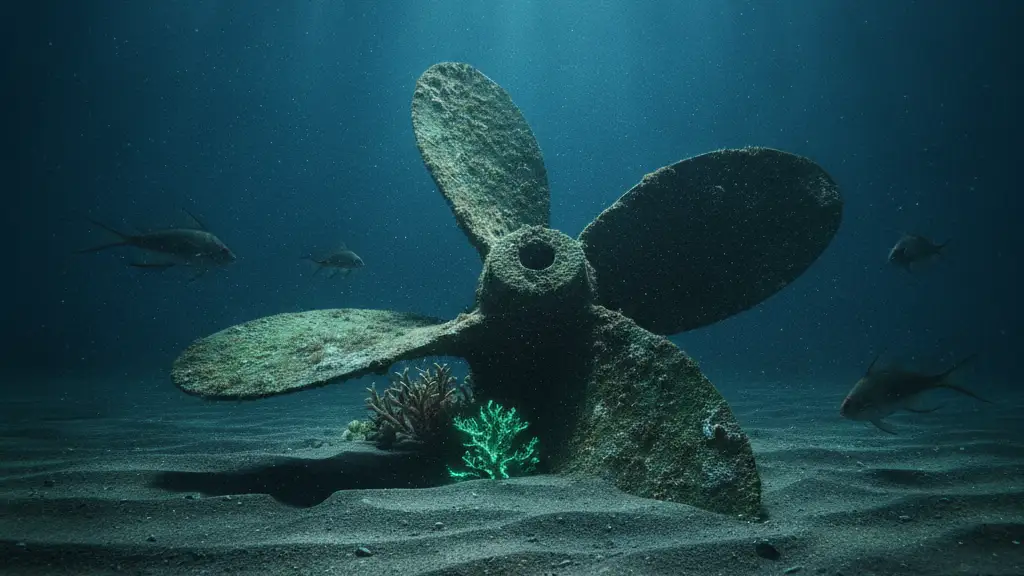
Image: Eddie Pollard / AI

Callum Smith
The wreckage of the Pan American Airways plane, the Clipper Endeavor, has been located 74 years after its catastrophic crash off the coast of Puerto Rico.
Of the 69 individuals onboard, only 17 survived the disaster, a catastrophe that prompted a significant overhaul in aviation safety protocols, including mandatory pre-flight safety briefings and demonstrations.
The crash directly led to the implementation of these briefings on all commercial flights, a standard practice continuing today; this regulatory shift, driven by the loss of 52 lives, fundamentally reshaped passenger expectations and airline responsibilities.
The Air/Sea Heritage Foundation initiated the search for the aircraft in 2019, later partnering with Deep Sea Vision to pinpoint its location.
A sonar-equipped drone ultimately discovered the wreckage at a depth of 2,000 feet, bringing definitive closure to a decades-old mystery.
The plane sank within minutes after two engines failed, forcing the pilot to execute a violent water landing.
An investigation determined inadequate maintenance and faulty parts caused the crash, with issues concerning the aircraft's design and training contributing to the accident.
Thirty-nine bodies were never recovered from the site, leaving families without definitive answers for generations.
All onboard initially survived the landing; however, panic quickly escalated as many struggled to locate life vests, and the crew faced difficulties deploying life rafts.
Survivors recounted that all onboard initially survived the landing; however, panic quickly escalated as many struggled to locate life vests, and the crew faced difficulties deploying life rafts.
Many passengers, fearing the rough seas and potential shark attacks, reportedly refused to evacuate the sinking aircraft for the life rafts, accounts coming directly from survivors.
The historical context of the Clipper Endeavor crash underscores the persistent drive for aviation safety, a journey marked by both tragedy and technological advancement.
Economic pressures on airlines in the mid-20th century, driven by intense competition and cost-cutting measures, often prioritized operational efficiency, sometimes at the expense of rigorous maintenance, a factor highlighted by this incident and attributed by the Civil Aeronautics Board to engine failure and faulty parts.
This era saw a rapid expansion of air travel, with carriers pushing boundaries, sometimes overlooking the critical need for robust safety checks, a lesson painfully learned from incidents like the Clipper Endeavor.
Public outcry following the 1952 disaster exerted significant political pressure, compelling regulators to mandate the safety briefings now a cornerstone of air travel.
This established a precedent for future safety legislation, and the discovery provides a tangible link to a past tragedy.
It serves as a stark reminder of the human cost that drives continuous innovation in aerospace engineering and safety protocols; the future landscape of deep-sea exploration, utilizing advanced drone and sonar technology, promises to unlock more historical mysteries.
This technology could potentially aid in future recovery efforts for lost vessels and aircraft, offering new hope to families still searching for loved ones lost in other ocean crashes, such as Malaysia Airlines Flight MH370.
It demonstrates the enduring impact of such technological breakthroughs; the discovery will feature in a special episode of Expedition Unknown this Autumn.
This brings the story to a wider audience, ensuring the Clipper Endeavor's legacy continues to inform modern safety discussions.