B&M Retail Fined £2 Million for Hygiene Violations Across Three Birmingham Stores
Council inspections uncover widespread rodent infestations, leading to immediate closures and substantial penalties for the discount retailer.
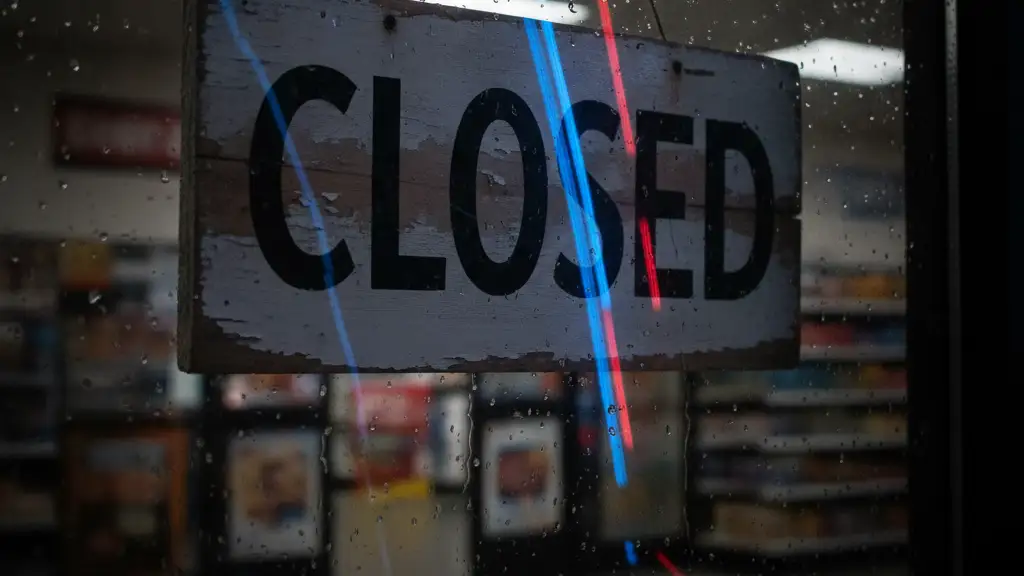
Image: Eddie Pollard / AI

Carla Rooney
B&M Retail Ltd. faces a severe £2 million fine following extensive food hygiene offenses across three of its Birmingham locations, prompting immediate closures by Birmingham City Council.
Birmingham City Council's environmental health service found significant violations at multiple B&M sites during inspections.
The council's swift actions issued Hygiene Emergency Prohibition Notices, mandating the immediate closure of affected locations.
Inspectors discovered mouse droppings and gnawed products openly for sale at the St Andrew's Retail Park store, prompting an urgent intervention.
Inspectors discovered mouse droppings and gnawed products openly for sale at the St Andrew's Retail Park store.
These critical offenses occurred at stores in St Andrews Retail Park, Priory Square Shopping Centre, and The Fort Shopping Park, all drawing the council's extensive investigation.
Birmingham City Council initiated these targeted inspections between November 2024 and October 2025, uncovering a consistent pattern of non-compliance across the retail chain.
A shopper observed a mouse moving inside the Priory Square Shopping Centre store, directly contributing to the council's damning findings.
Furthermore, mouse droppings appeared near children's toys on display at The Fort Shopping Park store, indicating a widespread, systemic issue.
The company received orders to pay a staggering £2,000,000 in fines, alongside £18,104 in prosecution costs and an additional £2,000 victim surcharge.
Food safety regulations have evolved significantly since the Public Health Act of 1875, which first empowered local authorities to address unsanitary conditions.
Modern standards now demand rigorous adherence to prevent public health risks, a commitment Birmingham City Council upholds through the robust framework of the Food Safety Act 1990.
Stakeholders across the entire retail sector now face increased scrutiny regarding hygiene protocols; public confidence in food safety directly impacts economic stability for businesses.
Retailers operating in high-traffic urban centers, such as Birmingham, navigate complex logistical challenges to maintain continuous compliance.
The city's population exceeds 1.1 million, a number that amplifies the potential impact of hygiene failures within its expansive retail environment.
Economic pressure on discount retailers often conflicts with the operational costs of stringent hygiene management, a tension surfacing in enforcement actions like this.
Meanwhile, the landscape of retail food safety continues to shift, with digital reporting tools and public awareness campaigns increasingly empowering consumers.
Social media platforms amplify individual observations, dramatically increasing accountability for large chains like B&M, which operates over 700 stores across the UK.
Future trends indicate a decisive move towards more proactive monitoring and predictive analytics in environmental health, aiming to identify potential issues before they escalate.
This enforcement action sends a clear, unequivocal message to the broader retail industry: compliance with food hygiene regulations remains non-negotiable, regardless of a company's size or market position.