Argentina and Spain Set for World Cup Final Showdown
Defending champions Argentina face Spain at MetLife Stadium in a bid for history.

Callum Smith
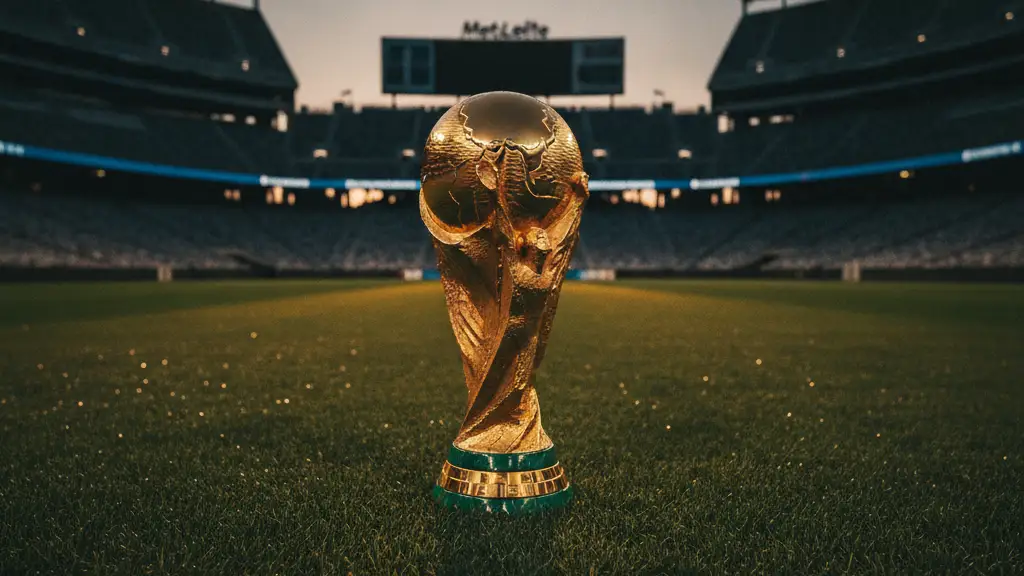
The World Cup final will see Argentina and Spain clash at MetLife Stadium in New Jersey, with Argentina aiming to retain its title and Spain seeking its second Jules Rimet trophy.
Argentina enters the final as the defending champion, standing on the cusp of becoming the first team to retain the men’s World Cup since Brazil accomplished the feat in 1962.
That Brazilian squad, led by Pelé, cemented its legacy by securing back-to-back titles, a benchmark Argentina now pursues.
Spain arrives in the final with significant momentum, having decisively defeated France in the semi-finals, showcasing their formidable attacking prowess.
The Spanish side has the opportunity to make history by becoming the first nation to simultaneously hold both the men's and women's World Cup crowns.
This potential dual championship follows years of investment in player development, marking an unprecedented era for Spanish football.
The Spanish starting XI remains unchanged from their semi-final victory over France, featuring Simon; Porro, Cubarsi, Laporte, Cucurella; Rodri; Baena Ruiz; Yamal, Oyarzabal, Olmo.
Beyond the immediate contest, the historical context of high-scoring finals looms large; the 1970 World Cup final saw Brazil defeat Italy 4-1, a benchmark for offensive displays.
If Argentina and Spain combine for at least two goals in the final, this World Cup will achieve the highest average number of goals per game since the 1956 event, which saw 3.6 goals per contest.
Should the teams score fewer than two goals, the tournament will still register the highest average goals per game since the 1970 World Cup, which recorded 2.97 goals per game.
This statistical achievement reflects a broader trend of more open, attacking football witnessed throughout the tournament, which unfolded across the United States, Canada, and Mexico.
On the pitch, Argentina will wear their traditional light blue and white vertically striped jerseys, a familiar sight for their legions of supporters.
Conversely, Spain will don predominantly red kits with navy sleeves, a color scheme synonymous with their national team's identity.
An officiating crew from Slovenia will manage the match, with Slavko Vincic serving as the referee, assisted by compatriots Tomaz Klancnik and Andraz Kovacic.
The World Cup final between Argentina and Spain experienced a six-minute delay, kicking off at 8:06 PM BST instead of the scheduled 8 PM BST.
An extended half-time show, featuring performances from Shakira and Madonna, is expected to further delay the restart of the final by several minutes.
This match may mark Lionel Messi's final appearance on the sport's biggest stage, adding another layer of emotional weight for millions of fans.
His potential farewell creates immense public pressure, as supporters voice their desire to see the legendary player lift the trophy one last time.
The economic impact of such a high-profile final is substantial, with global viewership expected to break records, driving advertising revenue and merchandise sales.
Supporters gathered in bars and pubs across Merseyside to watch the match, reflecting the widespread public engagement.
The presence of prominent figures like President Donald Trump, who will attend the final and participate in the trophy presentation, draws attention from beyond traditional football circles.
This intersection of sport and politics amplifies the global spotlight on the tournament, shaping the narratives of these footballing nations for decades to come.
Related Keywords
Football